


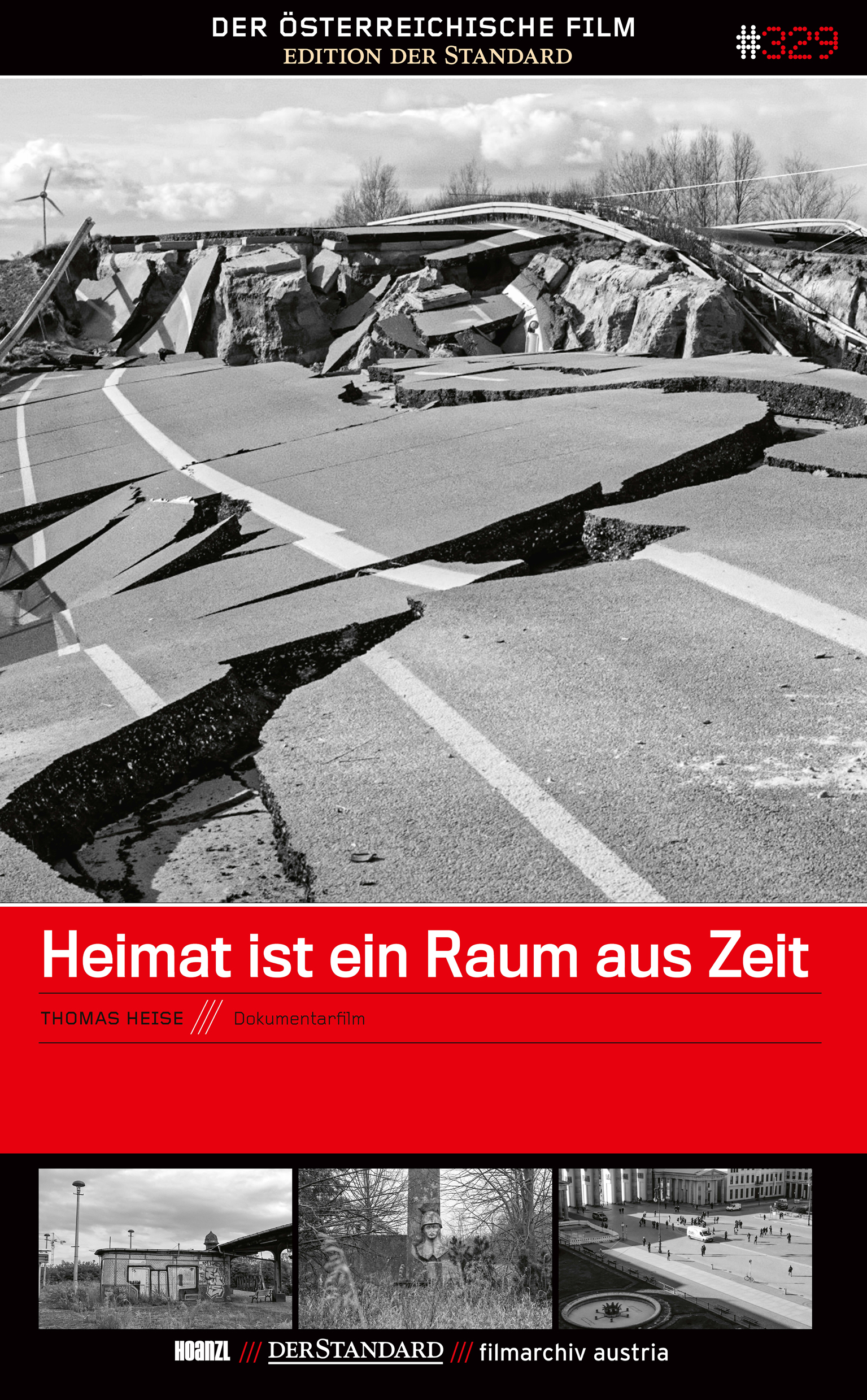
Heimat is a Space in Time
What remains? Biographies leave traces. So does the passage of time. In the German-Austrian co-production HEIMAT IS A SPACE IN TIME, Thomas Heise examines how the one relates to the other. The film follows the biografical traces of a torn family across the late 19th and the following 20th century. It is about people who once found each other by chance, then lost each other. Whose remaining children and grandchildren now disappear. It is about speaking and silence. First love and vanished happiness. Fathers, mothers, sons, brothers, affairs, hurt and happiness in changing landscapes that carry various traces of times that intertwine. "A great film that stays" BIRGIT KOHLER, BERLINALE
DVD Edition # 329
ABOUT THE FILM



A Heap of History
Thomas Heise’s „Heimat ist ein Raum aus Zeit“
Dorian Waller*
How can one comprehend the world, how can one locate oneself within it? Is it possible to outwit the limitations of one’s own perception? Does it border on presumptuousness to make statements about history while knowing that one cannot step into the same river twice?
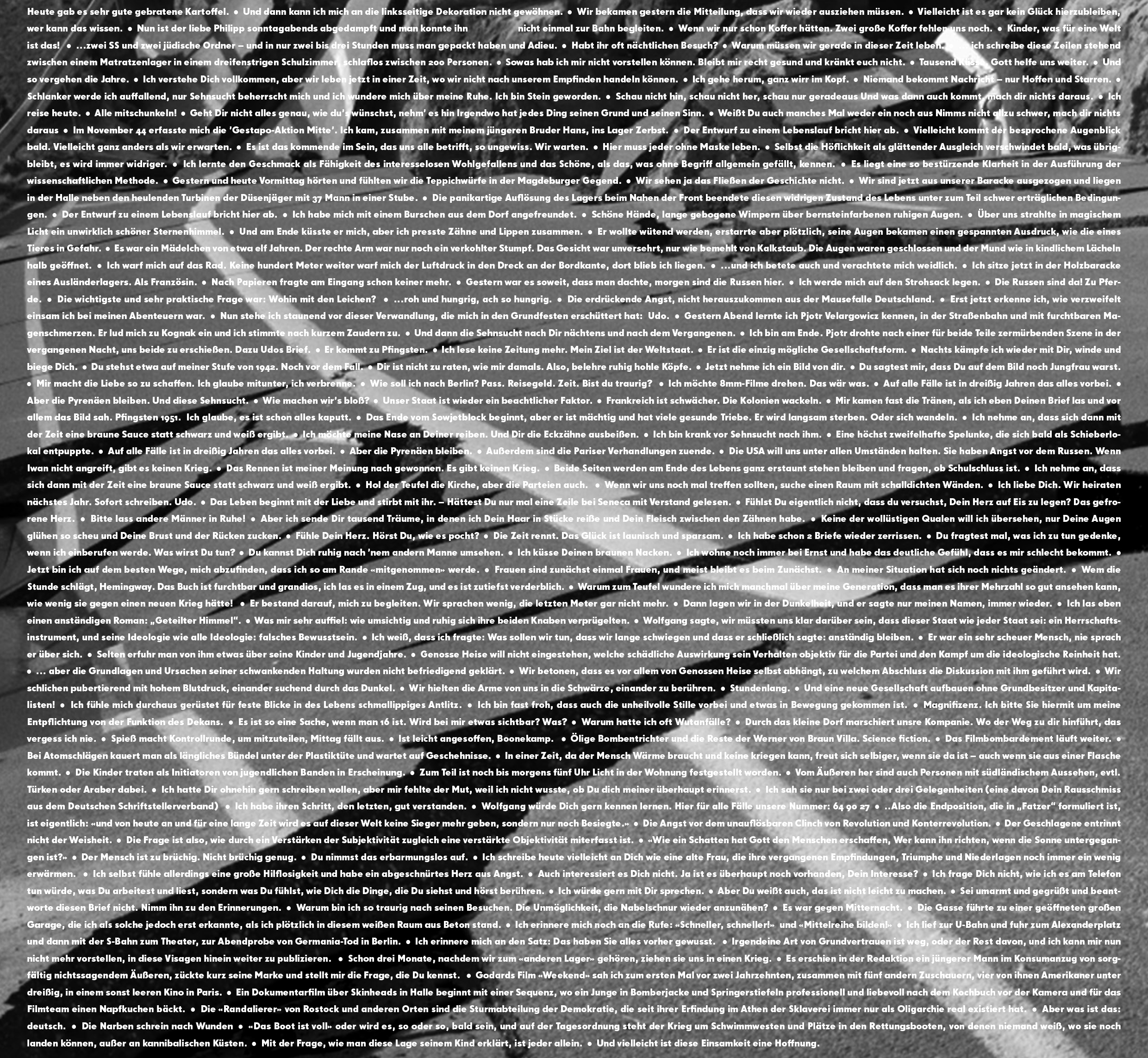
As we know, everything is very complicated, and there are numerous methods for gaining a little clarity amid the disorder of things: the list, the archive, the album, the bricolage. Enter Thomas Heise with his film Heimat ist ein Raum aus Zeit. For more than three and a half hours, he recounts the filmmaker’s family chronicle, from the First World War to the present day. In voice-over, Heise recites letters, diary entries, essays and file notes, but, with a few all the more striking exceptions, refrains from illustrating the spoken words with archival footage.
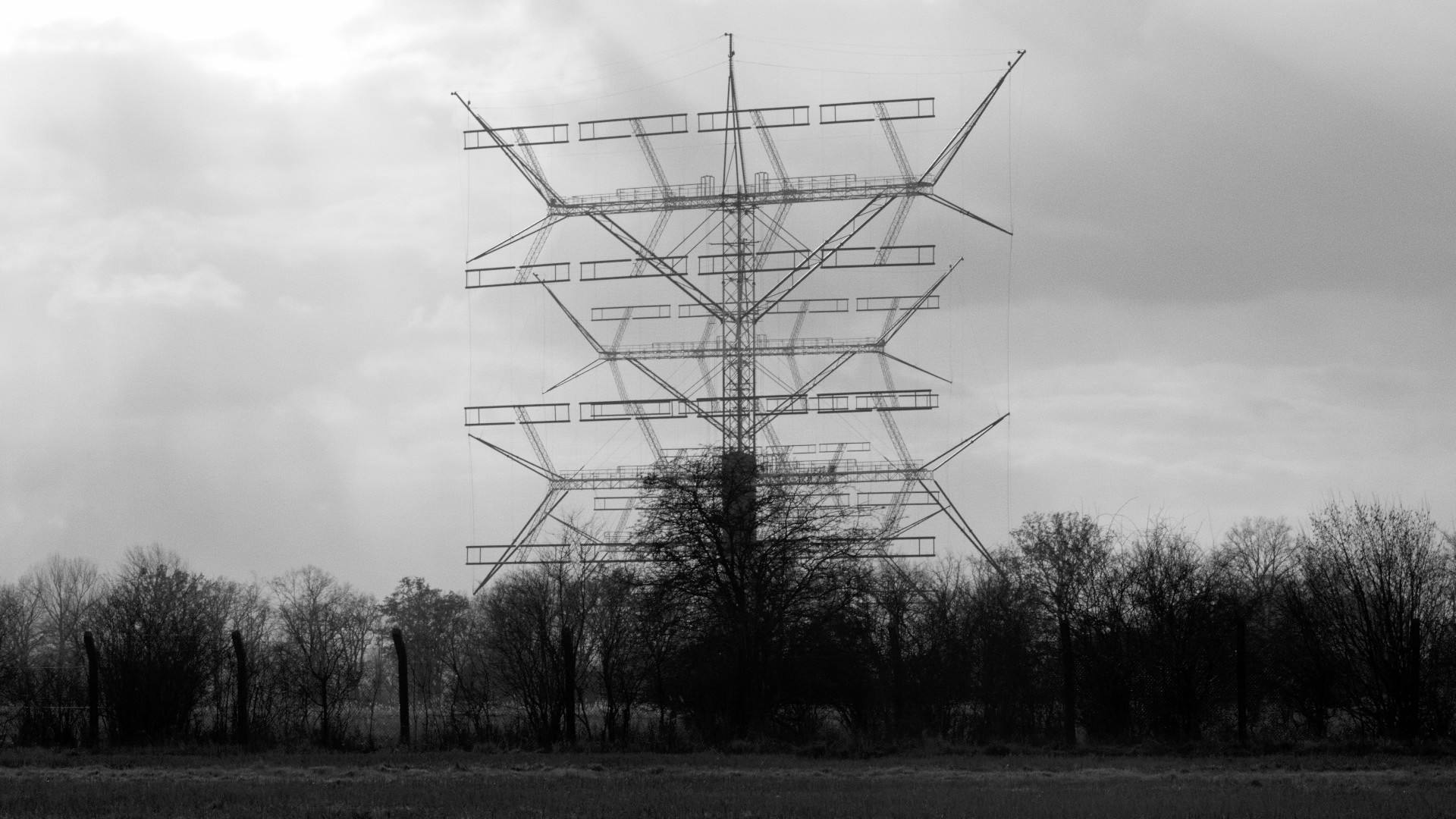
Instead, the visual background consists mostly of contemporary black-and-white images, which may correspond with the soundtrack in a wide variety of ways, but by no means have to. In fact, cinematographer Stefan Neuberger and sound recordist Johannes Schmelzer-Ziringer gathered material independently, which was only connected with the spoken words during editing.
The most important stages of this textual work can easily be listed: the courtship by Heise’s grandfather Wilhelm, a Berlin literary scholar, of Edith, a Jewish woman from Vienna; the annihilation of her family in the Shoah; and the love lives and professional lives of Heise’s parents, the Germanist Rosemarie and philosophy professor Wolfgang, in the GDR and after the fall of the Berlin Wall.
“As different as the documents may be, here they can nevertheless stand side by side. They can tell of the 20th century, of a person coming into being.”
Particularly harrowing is the passage lasting more than twenty minutes in which we hear the letters written in stoic despair by Edith’s parents, while the camera slowly tracks along the Nazis’ deportation list of Viennese Jews, until, as the correspondence comes to an end, Marika Rökk’s voice cuts through the loudspeaker: “Don’t look this way, don’t look that way, just look straight ahead / And whatever may come / Don’t let it bother you.”
Quite differently, and at first with a certain sense of disorientation, we encounter shortly afterwards the letters that a certain Udo sent to Thomas Heise’s mother with unmistakable passion, before she became involved with Wolfgang Heise, who would later teach Wolf Biermann and Heiner Müller.
As different as the documents may be, here they can nevertheless stand side by side. They can tell of life in the 20th century, of the history of a family, of a person coming into being. That this monumental work must remain fragmentary lies in the nature of things. That is how it will remain.
*Lives as an author and film critic in Purkersdorf.
A great film that endures.
BIRGIT KOHLER, BERLINALE
How Much People Can Endure
Thomas Heise’s monumental essay film Heimat ist ein Raum aus Zeit is about fragility: about a shock, or the astonishment at how much people can endure. It deals with the unjoined seams of 20th-century history, with living conditions under dictatorships, with intellectual stagnation, deportations, human slaughter – with contradictions and resistance that arise particularly during periods of historical change; and it deals with longings for life and love. (...)
All the texts are read aloud by Heise himself – with a calm intonation. His voice marks a temporal difference, a dynamic in-between, a rupture between what can be told from the past and what can be seen in the present. His disembodied narrator’s voice hovers over rigorously composed black-and-white images, over deserted long shots, over contemporary views of German and Austrian landscapes that initially seem arbitrary, with symbolically charged leitmotifs: piles of rubble, freight stations, railway tracks. (...)
Voice and images brush past, miss or comment on one another. The slow lateral tracking shots seem to illustrate nothing. Freight wagons loaded with cars travel from left to right across the image. Only much later do they return empty from the opposite direction. Then there are camera movements untethered to specific locations: after a summer holiday in Tyrol, Wilhelm courts Edith in polite subjunctives, while other footage passes before our eyes: images of security-guarded après-ski huts in Austria’s Zillertal.
Quoted from the Standard review (7 November 2019) by Friederike Horstmann
Fragments from the Storehouse of Experience
Birgit Kohler*
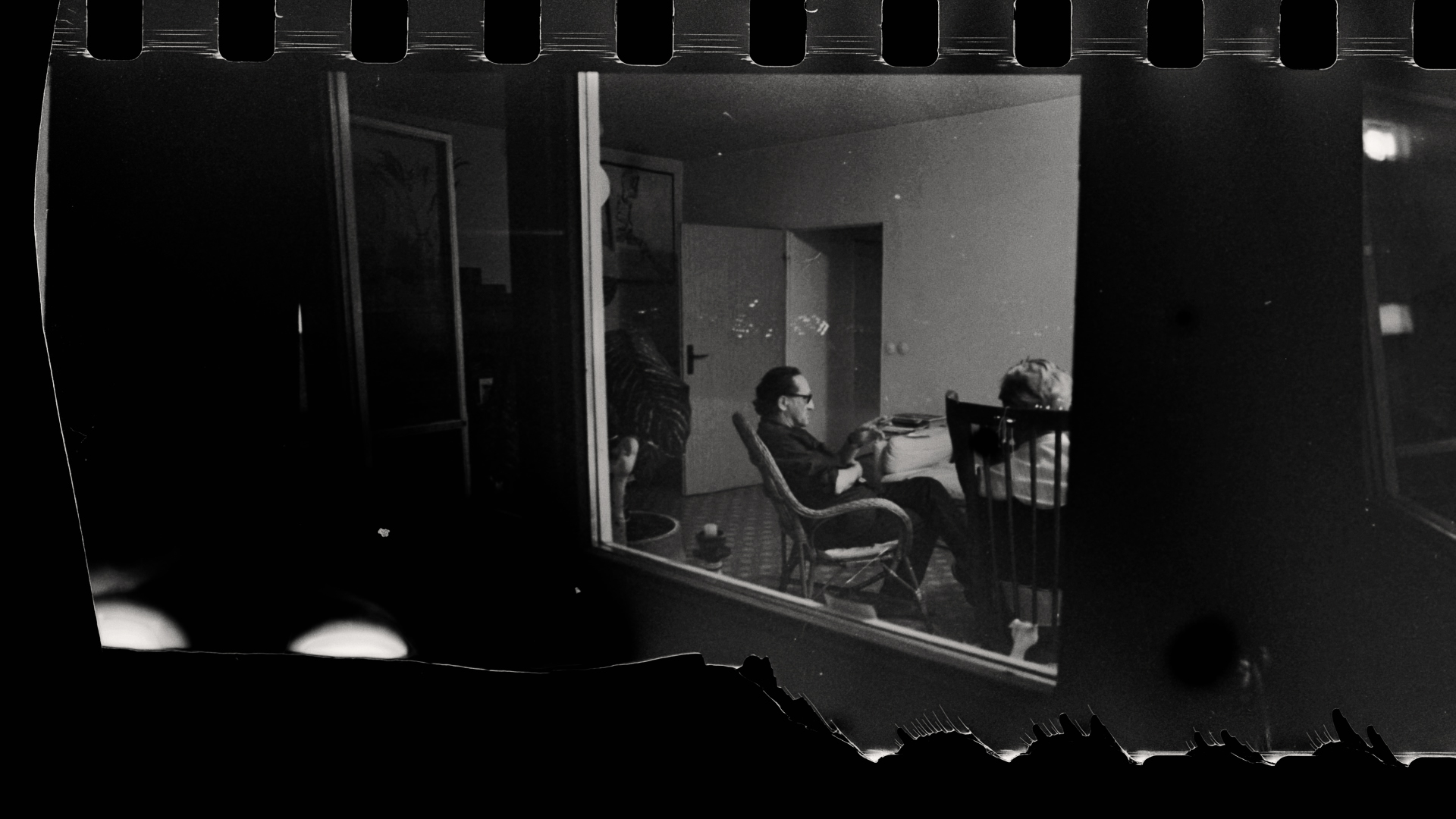
What remains? Biographies leave traces. So do the passage of times. Thomas Heise examines how the one relates to the other in Heimat ist ein Raum aus Zeit. Using documents from his personal archive – letters, photographs, school essays, diary entries – read by Heise himself in voice-over and visible on screen, he traces the history of his family across four generations between Vienna, Dresden and (East) Berlin.
These are joined by contemporary black-and-white images of the places and landscapes mentioned in the correspondence, bearing the marks of different eras: the labour camp in Zerbst, former NVA barracks, a university lecture hall, terraced houses in Mainz.
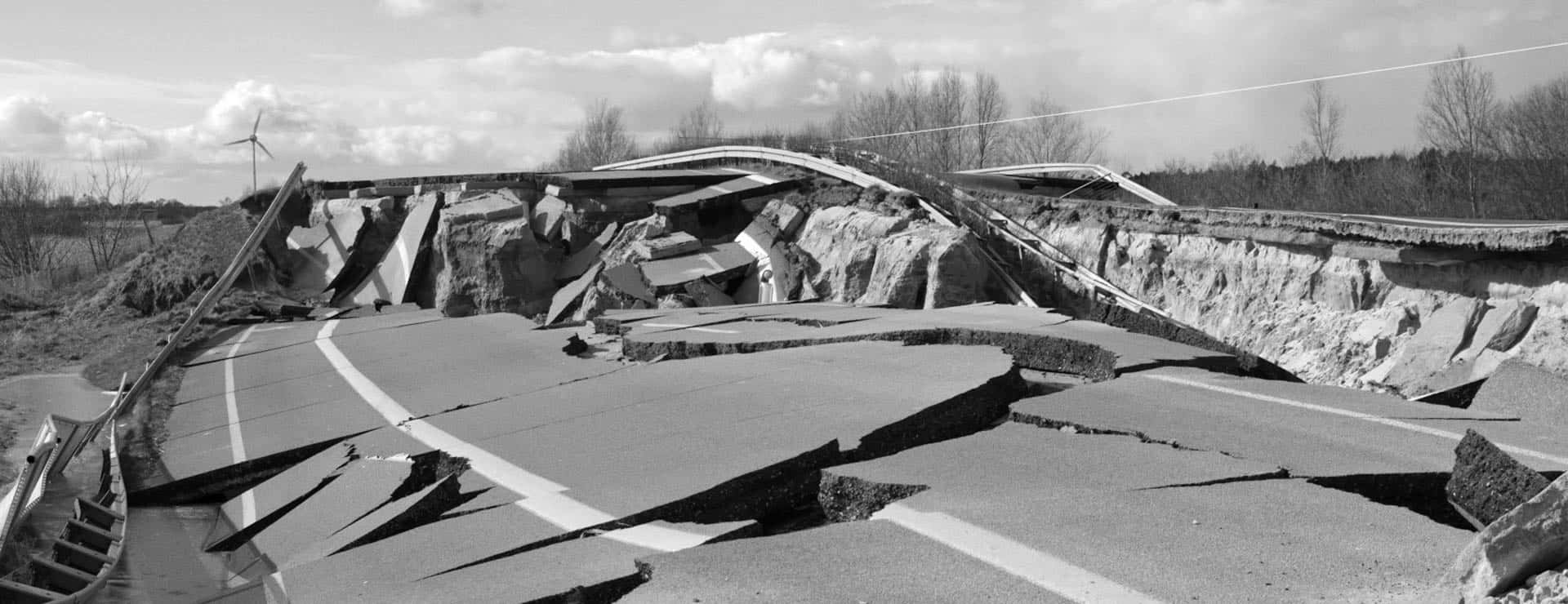
There are also ruptures in the earth, cracks in the asphalt, piles, and again and again railway stations, trains and tracks. First loves, fathers, mothers, sons and brothers, the deportation of Vienna’s Jews, those killed in the war in Dresden, art and literature, GDR socialism and remaining decent – using fragments from a storehouse of personal experiences, carefully selected and assembled with gaps, Heise tells nothing less than the history of Germany in the 20th century.
A great film that endures.
*Programme text Berlinale Forum


