


Angst
Fresh out of prison, a man is once again plagued by murderous urges. In a secluded house on the edge of the forest, he has already found his next victims…
Erwin Leder, Silvia Rabenreither and many more
ABOUT THE FILM
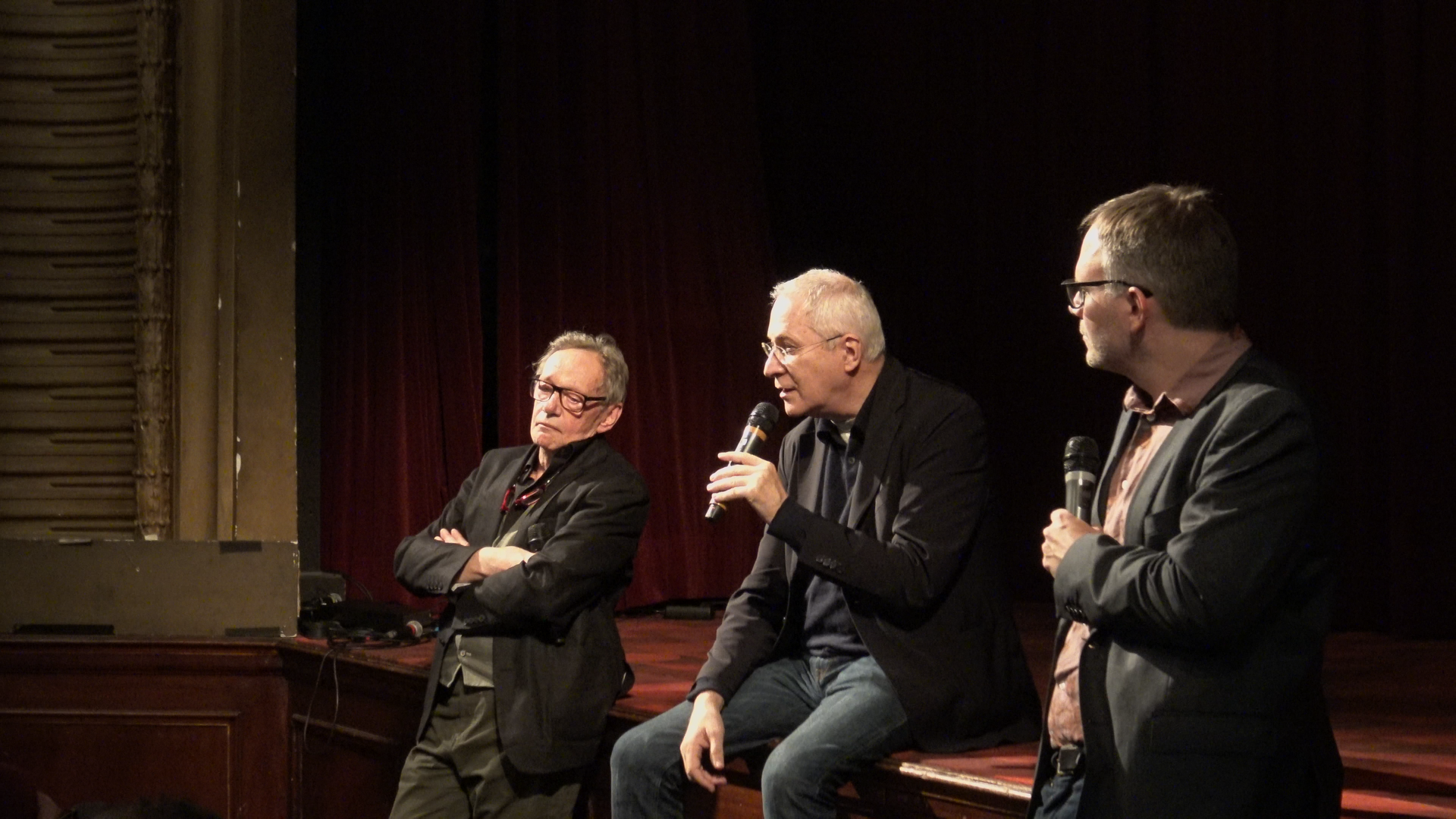

Bonus Track: Regisseur Gerald Kargl & Schauspieler Erwin Lederer über "Angst" (Publikumsgespräch Viennale 2023)
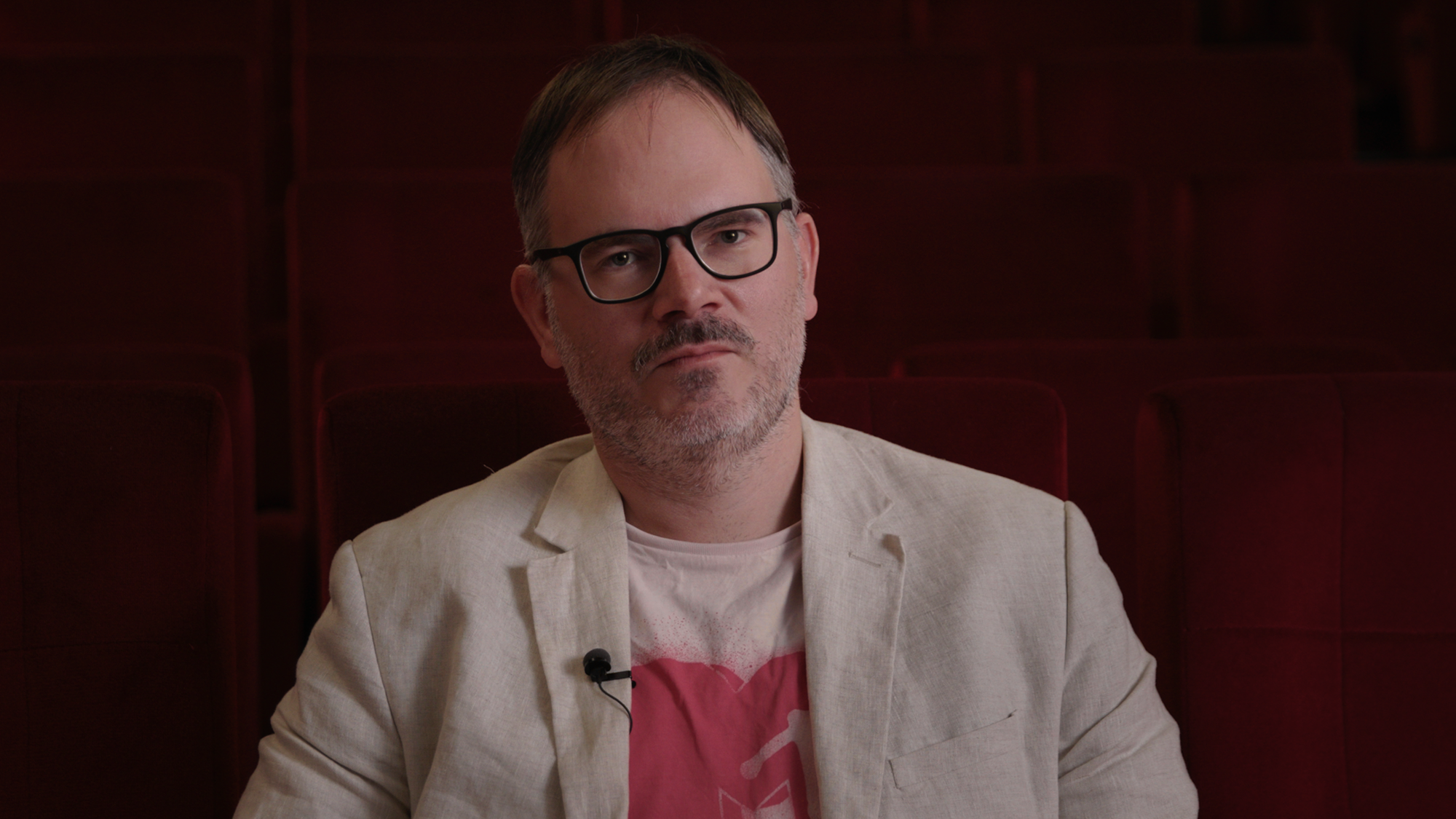
Kurator Florian Widegger über "Angst"


Making No Secret of What Lies in His Heart
Gerald Kargl’s cult film Angst, about a murderer, remains disturbing to this day.
Florian Widegger*
In January 1980, a triple murder in St. Pölten shocks the whole of Austria. Werner Kniesek, who had been imprisoned for, among other things, two attempted murders, enters a family home while on temporary leave from prison, where he brutally kills a mother, her daughter and son, and their cat. His motive is the sheer pleasure of killing. The kind of material that made for sensationalist headlines back then and true-crime podcasts today – as well as a film that was released in cinemas in 1983 and was unlike anything Austrian cinema had produced up to that point: Angst.
It was directed by Gerald Kargl, then 30 years old, and remains his first and only feature film to date. Afterwards, Kargl moved into advertising, partly to pay off the debts incurred by his debut, which he had financed without any public funding whatsoever. He would later say: “My efforts to make feature films again differed in content and form from what was then defined as Austrian cinema or criticised as committee-driven filmmaking. That is why I never felt part of the Austrian film scene.” (Interview with Florian Widegger, November 2023)
Upon its release, Angst received some favourable reviews, but also considerable incomprehension and rejection, which contributed to the film being officially unavailable for a long time. It has since achieved cult status – not least thanks to prominent advocates such as French director Gaspar Noé, and its reputation has long since spread beyond the genre cinema scene.
Yet Angst is not a reconstruction of the Kniesek case, let alone a conventional thriller. Kargl is hardly interested in the perpetrator’s backstory, and certainly not in the investigation. The film does not turn its protagonist, who remains nameless like his victims, into a psychological puzzle to be solved, nor into a tragic figure whose biography might explain his crimes. Instead, the flow of images, music and voice-over commentary forces the audience to confront the actions and thoughts of a violent criminal who makes no secret of his murderous impulses. On the one hand, the film is highly stylised, with wild camera movements and visual inventiveness; on the other, it tells its story with almost documentary precision, bringing its audience closer to the events than they might wish.
Even more than 40 years after its creation, this extraordinary work, which combines psychological empathy with a detached, almost mechanical visual language, has lost none of its radicalism.
LUKAS FOERSTERG
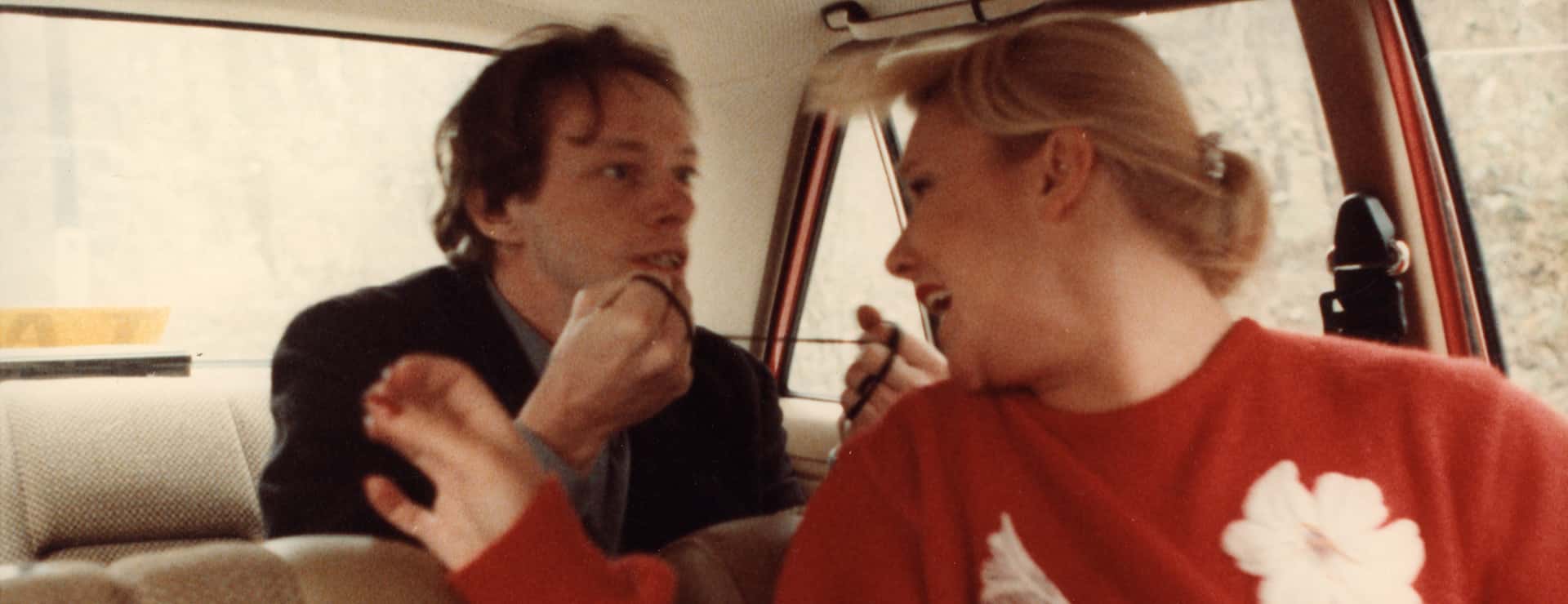
At the beginning of the film, the protagonist is still behind bars, but no sooner is he released than the urge to kill overwhelms him again. A feisty female taxi driver manages to drive him away – leading to what feels like a minutes-long, breathless tracking shot through the forest, followed by his arrival at the somewhat secluded property of his future victims. This journey is more than a spectacular camera movement: it makes the protagonist’s urge to move physically palpable and turns the camera into his immediate companion. To achieve this, Kargl and Polish cinematographer Zbigniew Rybczyński, who had recently won an Oscar for his animated short film Tango, develop a visual language that oscillates between unrestrained dynamism and oppressive precision. The images glide, race and circle, while electronic music pioneer Klaus Schulze creates a strangely otherworldly, pulsating atmosphere with his soundtrack.
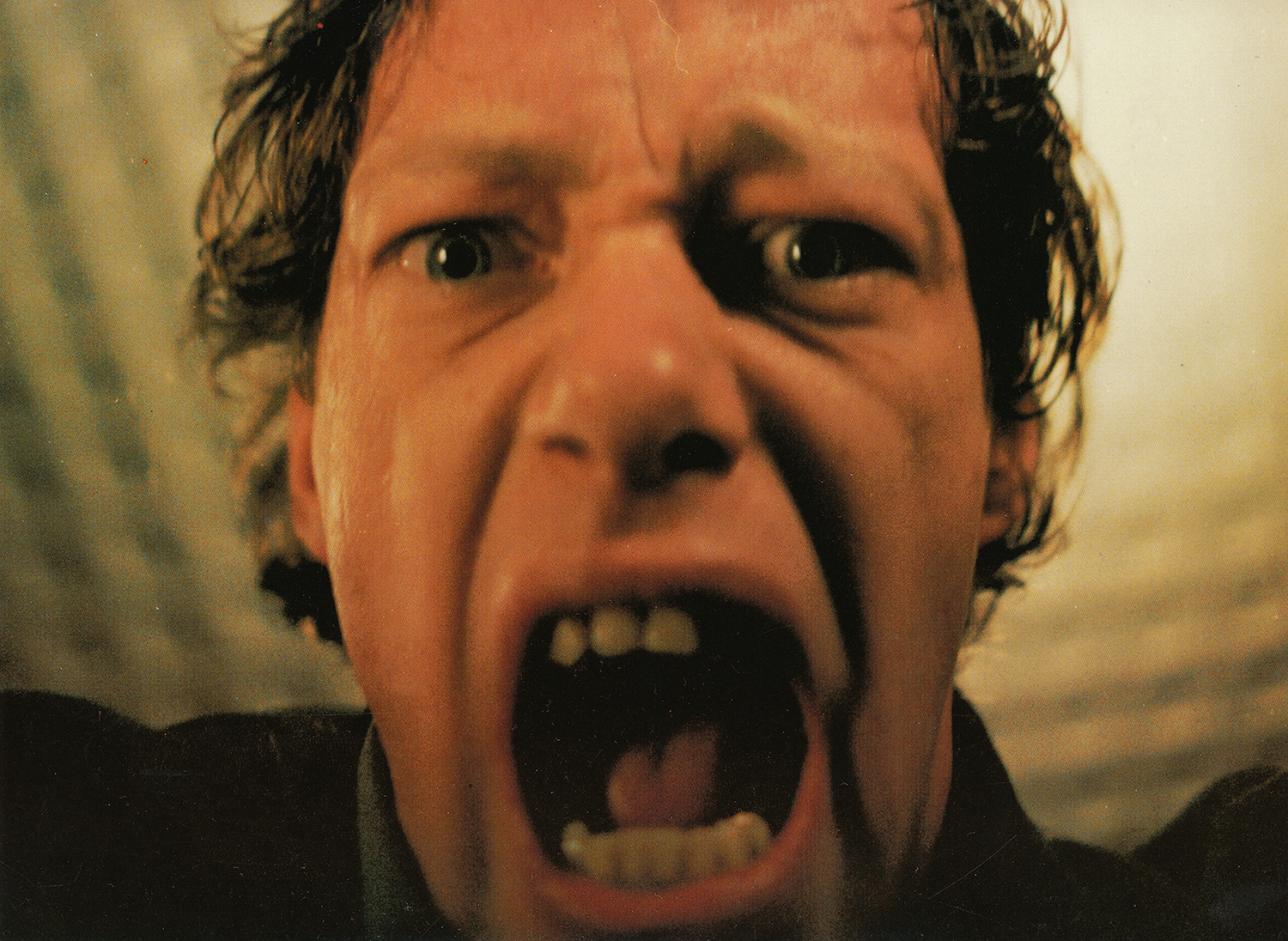
It is precisely here that a contradiction lies at the heart of what makes Angst so unique. The form is virtuosic and at times almost intoxicating, while what it depicts is repulsive and almost unbearable. Erwin Leder, who had recently made his breakthrough as chief engineer Johann (“The Ghost”) in Wolfgang Petersen’s Das Boot, portrays the nameless psychopath with an impressive mixture of nervous energy and almost childlike desperation. He speaks, thinks, fantasises and acts – and the film draws hardly any distinction between these levels. As a result, his actions do not appear as individual dramatic climaxes, but as the consequences of a train of thought that grows increasingly extreme.
“This is as close as you’re likely to get to a real serial killer and survive,” reads one review of the film. What makes this proximity so unsettling is not solely the violence depicted. Kargl makes the perpetrator’s perspective the perspective of the film without explaining him, let alone glorifying him. Instead, he leaves the question of guilt and free will almost uncomfortably open. This uncompromising approach makes Angst difficult to endure. Today, Kargl says he would show certain things less explicitly in order to engage the audience’s imagination more strongly. Whether that would make the film any less disturbing is doubtful. Its radicalism lies elsewhere: it binds us so closely to the perpetrator that hardly any distance remains between thought, desire and action.
* is head of programming and curator at Filmarchiv Austria/METRO Kinokulturhaus.


