


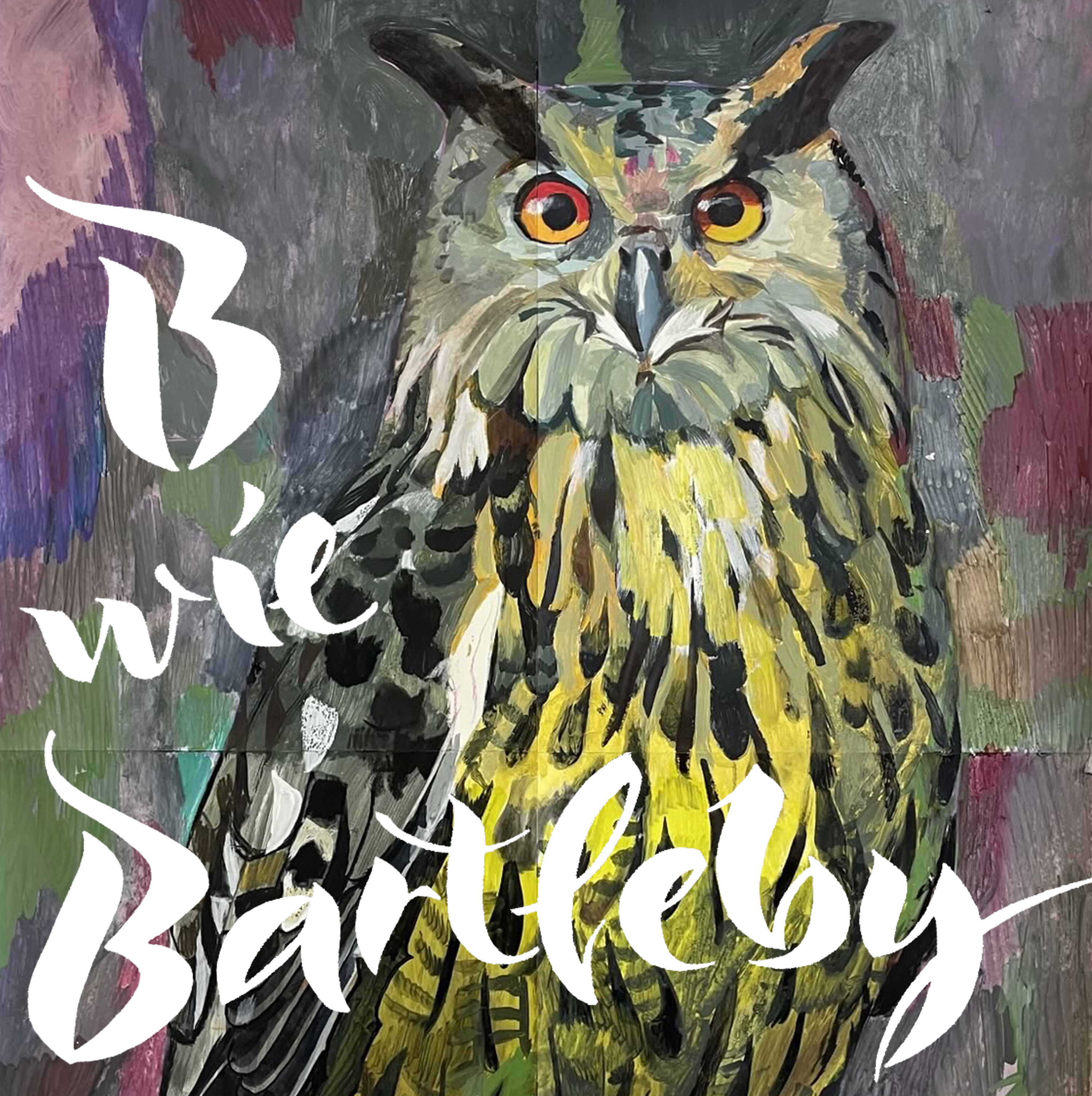
B wie Bartleby
“B wie Bartleby” takes up Herman Melville’s legendary story and transforms it into a film essay about memory, language, and resistance. Drawing on dialogues with a deceased companion, the famous line “I would prefer not to” is brought to life anew in the voices and gestures of performers, young people, rap musicians, passersby, and castaways—quietly, persistently, timelessly.
Beatrice Frey, Maxi Blaha, Anna Mendelssohn, Leopold von Verschuer, Alex Deutinger, Florian Tröbinger, Kevin Dooley u.v.m.
ABOUT THE FILM
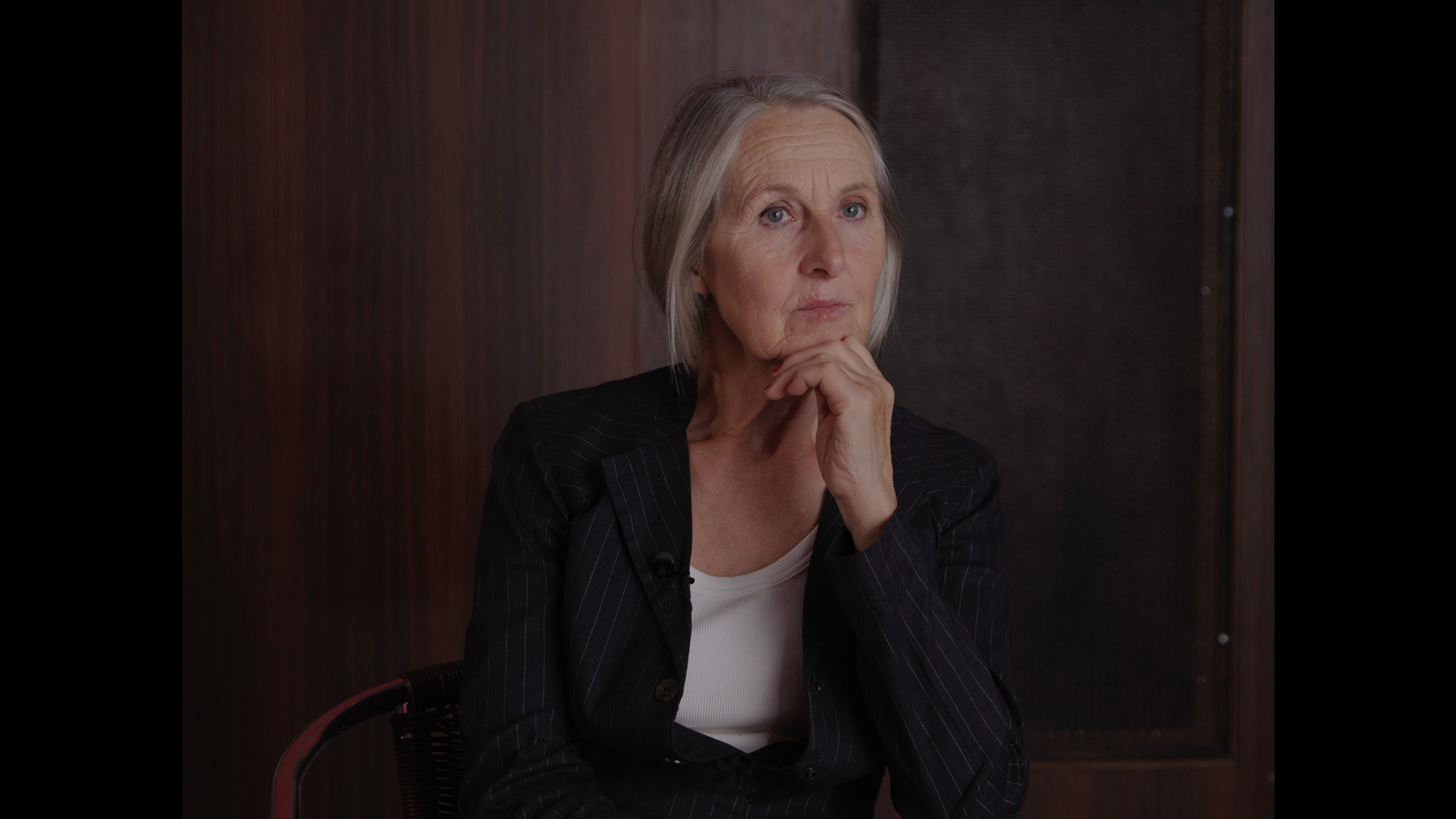

Bonus Track: Regisseurin Angela Summereder über "B wie Bartleby"
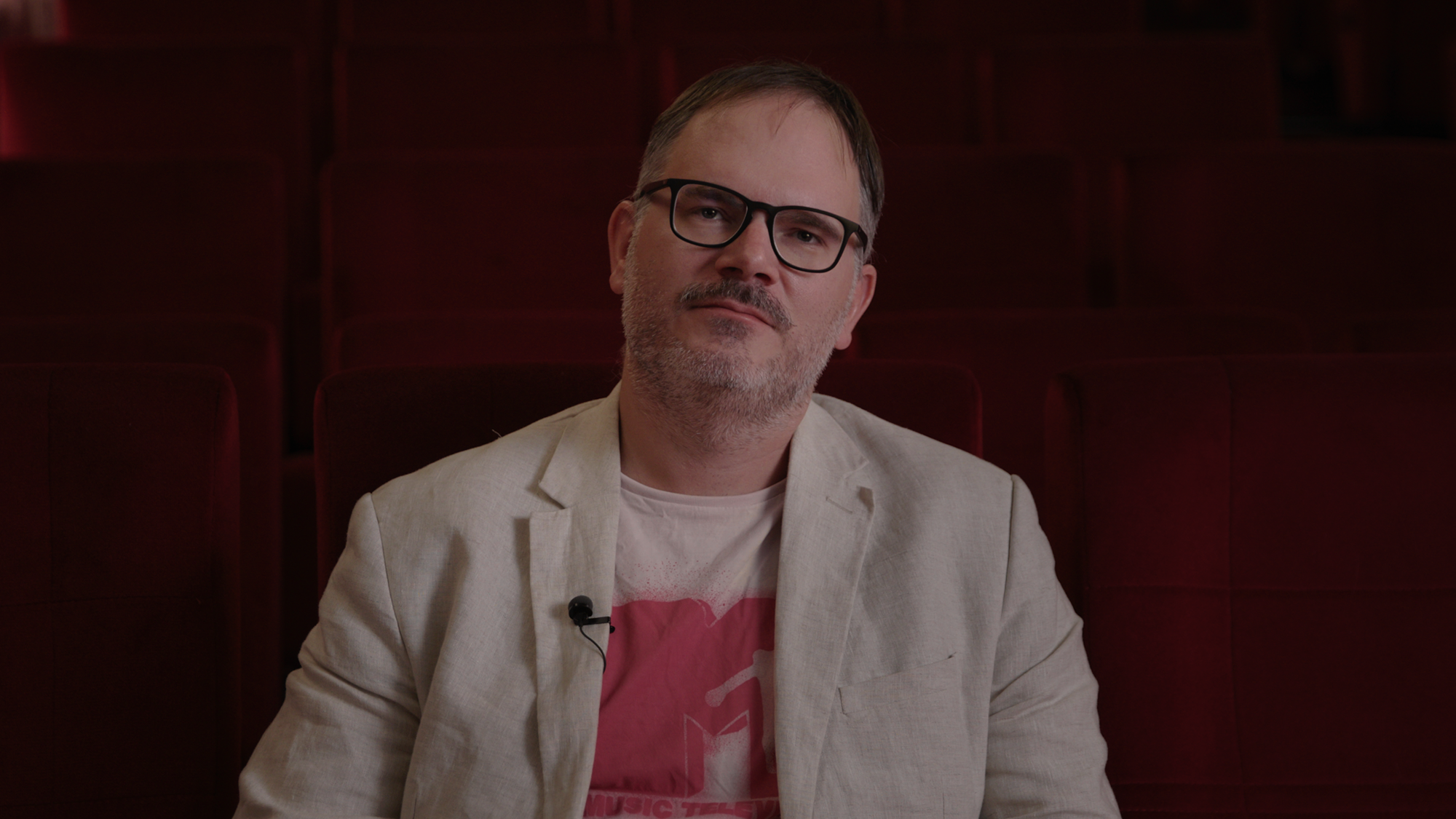
Kurator Florian Widegger über "B wie Bartleby"


An Unsolvable Riddle
On Angela Summereder’s Personal Film Essay B wie Bartleby
Esther Buss*
At the Herman Melville House in Pittsfield, Massachusetts, there is no sign of the man of the house; visitors are welcomed by Elisabeth Melville. Like so many open-air museums in the United States, the famous writer’s home – where Moby Dick and the story Bartleby, the Scrivener were written – presents history as “living history”. This means that a so-called “interpreter”, playing the role of Melville’s wife, attempts to translate the historical context into the present. We learn, for example, that Melville received considerable support from his wife and sisters: they are said to have spent countless hours working as copyists. It is difficult to imagine what would have happened if they had adopted Bartleby’s formula of passive resistance. With the words “I would prefer not to”, the scrivener employed in a Wall Street office refuses to perform any task.
Bartleby’s “neither yes nor no” remains a riddle to this day. In the past, it occupied numerous thinkers, including Gilles Deleuze, Slavoj Žižek – and Benedikt Zulauf. Throughout his life, the filmmaker Angela Summereder’s now deceased partner wanted to adapt Melville’s story for the screen. When illness made the plan impossible, he left its realisation to her as a legacy. Tape recordings document their conversations about the text. For Summereder, Zulauf’s approach involves too much “thinking”, too much focus on the function of the finished work. “But what do I show, what do you see?”, she asks, now somewhat impatiently. Filmmaking, after all, is an open process.
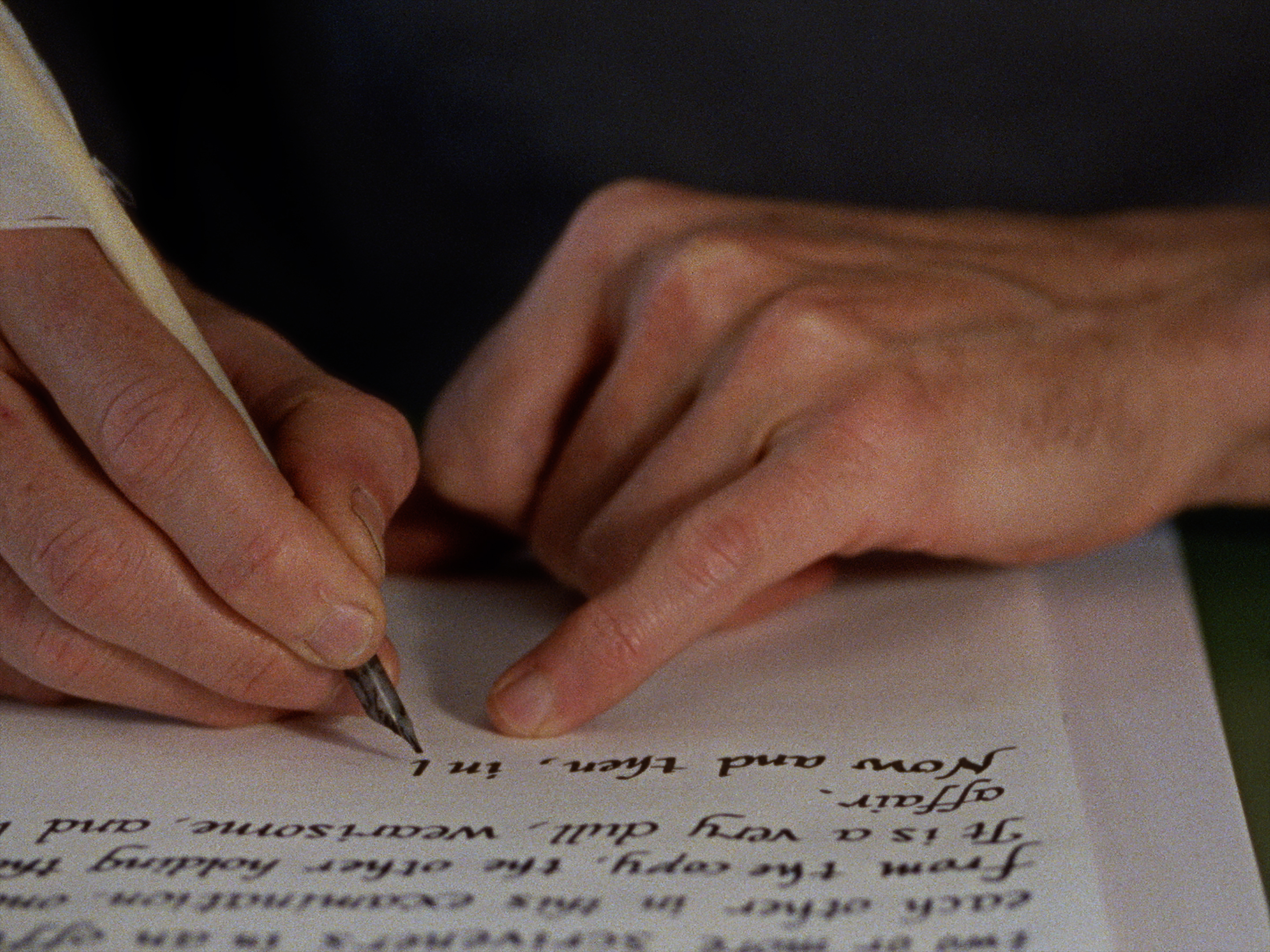
Summereder therefore attempts, in her own way, to become an “interpreter”; her adaptation is multidirectional and subtly informed by a feminist perspective. Her source material: 16 mm, quill and paper, the story as spoken text. Open in all directions, B wie Bartleby drifts between documentary form, fictional miniatures and rehearsal scenes in which Melville’s text circulates among three actresses.
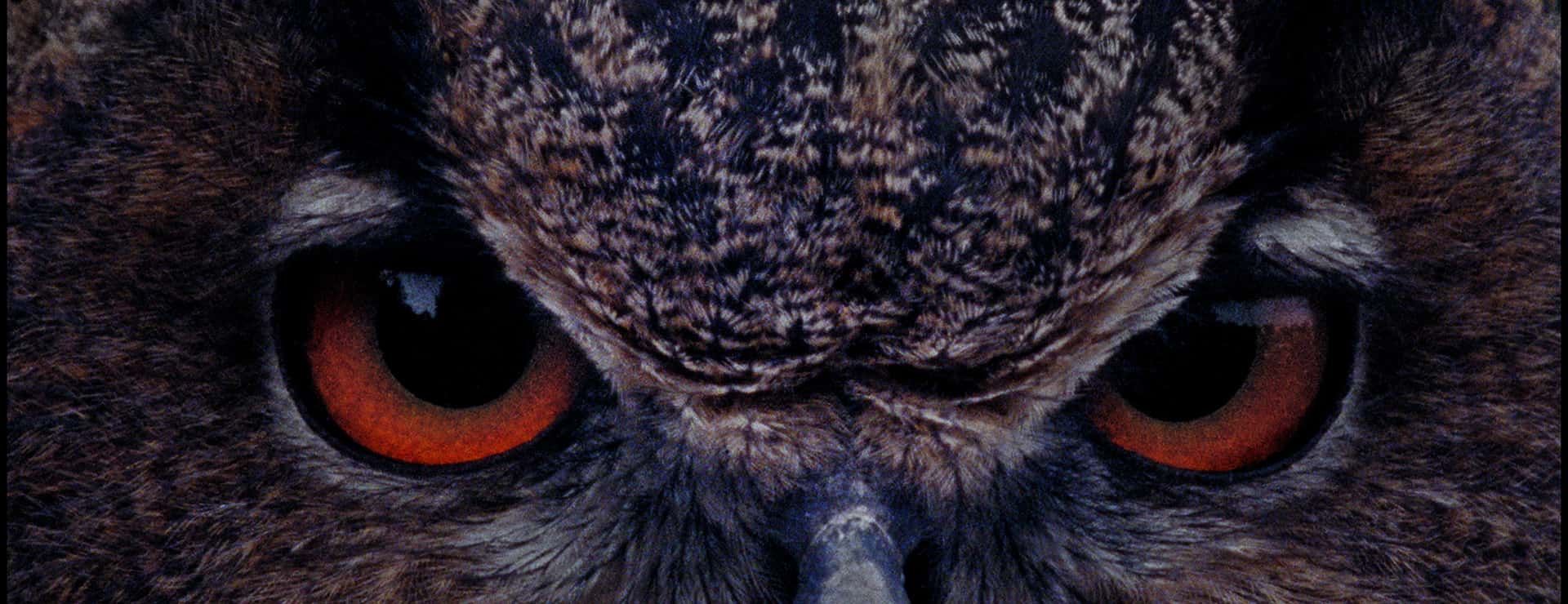
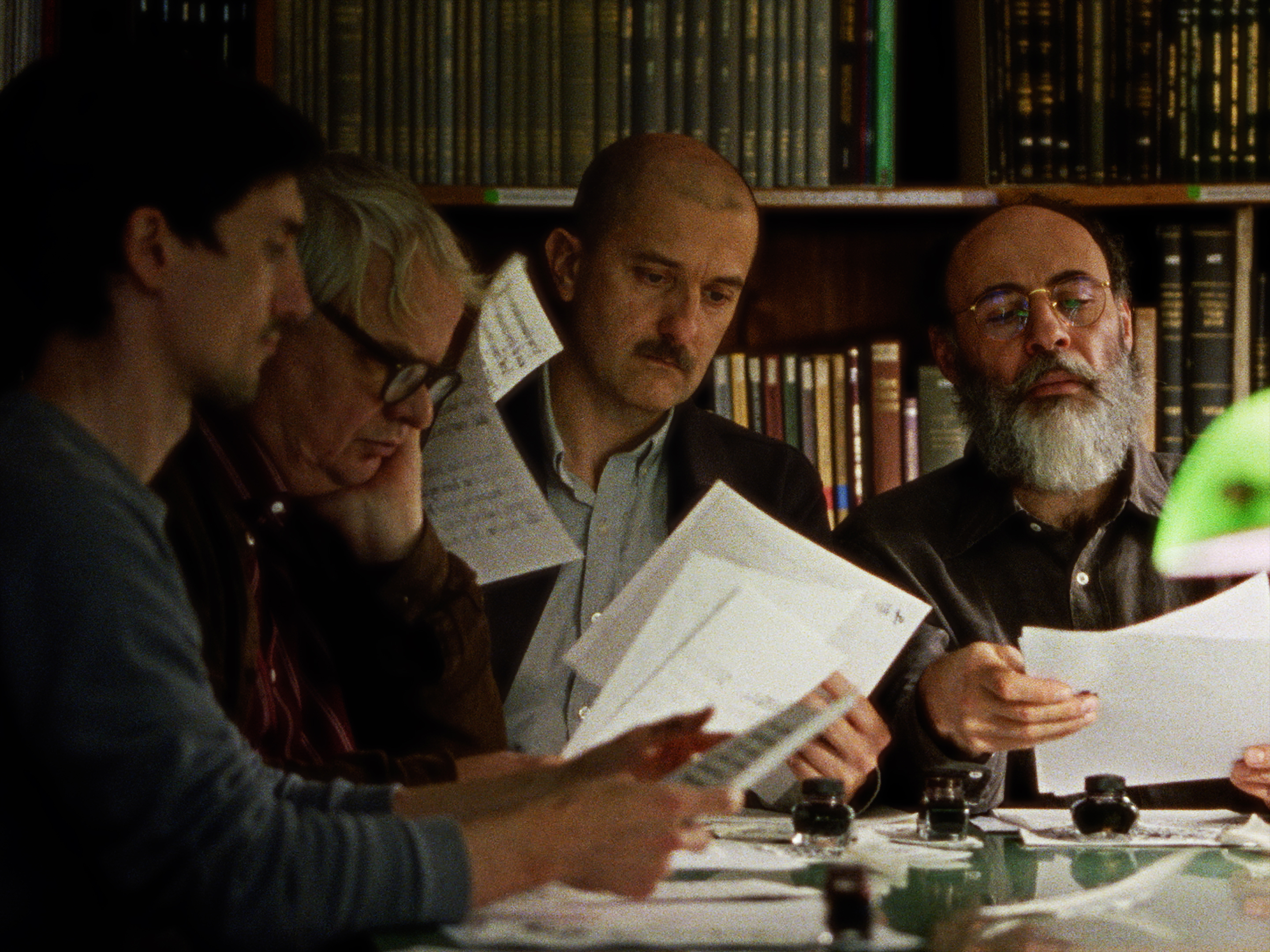
What do you see? A filmmaker driving to the Melville Museum, cross-cut with another car journey (Zulauf in Geschichtsunterricht by Straub-Huillet). Melville’s desk overlooking Mount Greylock, forest, wildflowers and an owl. Silent copyists in a library room and the actresses, framed frontally, speaking. Gradually, the text moves into other layers of social reality. Young girls connect Bartleby’s negation with their own experiences, formerly homeless people ask why, two teenage rappers build their own story around the hook line. Summereder’s film searches for traces and echoes and, in doing so, explores an in-between space, not unlike Bartleby himself. It prefers not to solve the riddle.
* is a film critic and author from Berlin.
A subtle masterpiece.
DER STANDARD
Trimming a Quill
Angela Summereder’s B wie Bartleby traces someone who would prefer not to.
Anyone interested in writing in the 19th century would do well to begin by trimming a quill. After all, technology had not advanced much further at the time, and enormous masterpieces of the era were created through a process that brought together an inkwell, a sheet of paper, a hand and, of course, a quill. Herman Melville’s Moby Dick is one of the most famous of these hefty volumes, a book like a whale, as its subtitle indeed suggests: Moby Dick, the Whale. His story about Bartleby the scrivener, by contrast, is considerably shorter. Yet it is no less substantial. Many consider it Herman Melville’s second major work: Bartleby, the Scrivener.
“I Don’t See It Yet”
Angela Summereder more or less inherited the project of adapting this story for the screen. Her former partner Benedikt Zulauf, who died in 2017, had continued developing plans for an adaptation until the end of his life. In his mind, there was probably more than one completed Bartleby film, but in the outside world what remained was something like a commission. Summereder accepted it, albeit in her own way. In her film, she plays a tape recording from which one can gather that Zulauf had tailored Melville’s text to suit his own highly idiosyncratic interpretation. Her comment on this is compellingly laconic: “I don’t see it yet.”
Even books considered difficult or impossible to film evoke something like images when they are read. And Bartleby, der Schreiber presents a considerable challenge for adaptation. The story is austere. A shared office in the 19th century, a monotonous activity – producing documents by copying them – and then this one sentence with which Bartleby removes himself from the routine: “I would prefer not to.” In the original: “I would prefer not to.”
Room for Interpretation and Philosophy
That, essentially, is it. And that leaves an enormous amount of room for interpretation and philosophy. But Angela Summereder enters this space only very slowly and deliberately. First, she travels to America and visits Melville’s house in Massachusetts. She also looks out of the window through which the author, from his desk, gazed at Mount Greylock. And she tries out what it is like to write with a quill. In other words, she puts herself as fully as possible in the position of the difficult genius that Melville presumably was.
But then she frees herself from these realities and shows what she sees when she reads. Angela Summereder, who only a few weeks ago – prompted by the restoration of Zechmeister (1981) – was rediscovered or reaffirmed as a major Austrian filmmaker at the Viennale, demonstrates a discreet confidence in her handling of the authority of the text (and Benedikt Zulauf’s commission).
(Bert Rebhandl, 7 January 2026)


