


The Excluded
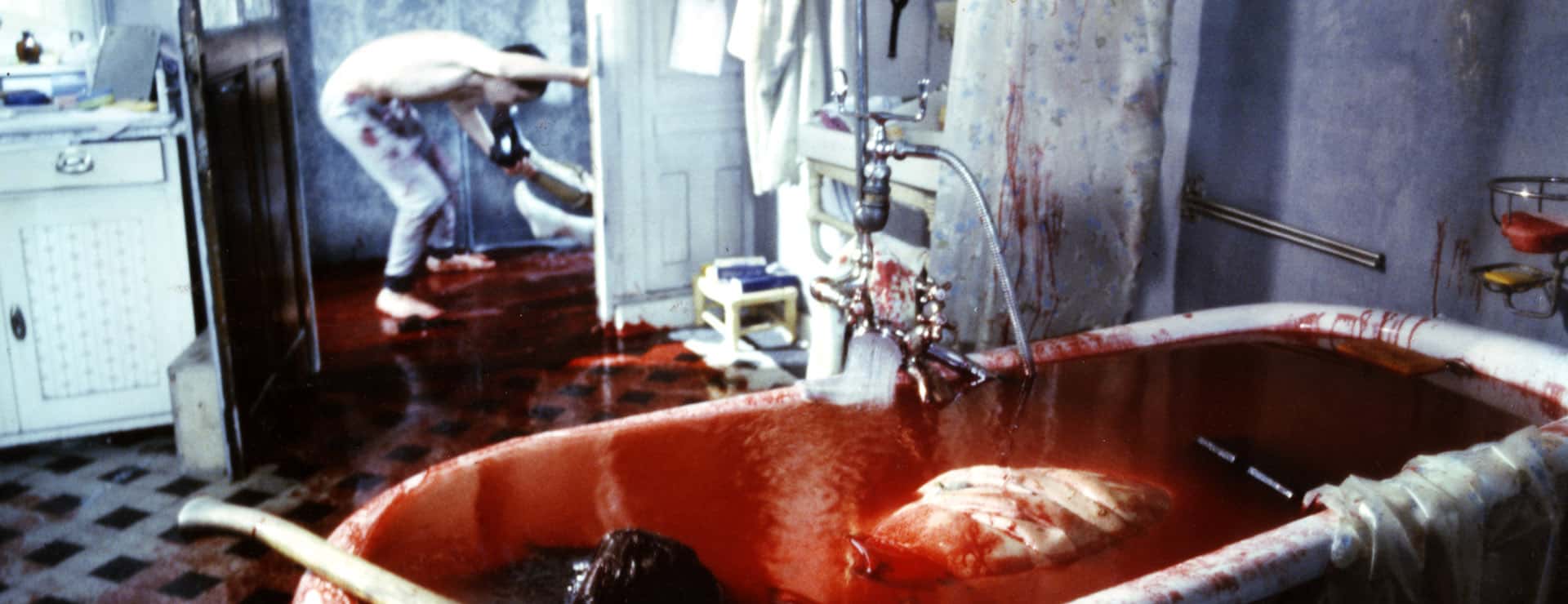
A high school student murders his sister, friend and parents in late 50s Vienna. Five years after the scandal-ridden "Staatsoperette" and two years after his first major cinematic success "Exit... Don't Panic", Franz Novotny shot THE EXCLUDED based on the novel of the same name by Elfriede Jelinek, who also wrote the screenplay. The Catholic Film Commission called Novotny's film "formally remarkable, but the case study of an anarchist group lacks psychological depth." A critical look at Austrian film history, however, paints a different picture: "Along with the farce come fractures and conflicts that no rehearsed dramaturgy can smooth over. Franz Novotny has made films like EXIT and THE EXCLUDED that come close to this farce and the analytics that result from it." ELISABETH BÜTTNER/CHRISTIAN DEWALD.
"In a sense, a homeland film. The problem with Austria is that in all its regions it looks far too homely as a film subject." FRIEDRICH GEYRHOFER
Paulus Manker, Rudolf Wessely, Emmy Werner, Ursula Knobloch, Alexandra Curtis, Christine Kaufmann, Karl Kröpfl and many more
DVD Edition # 27

ABOUT THE FILM


Setting Out into the Unknown
A key work of Austrian cinema: Die Ausgesperrten
Bert Rebhandl*
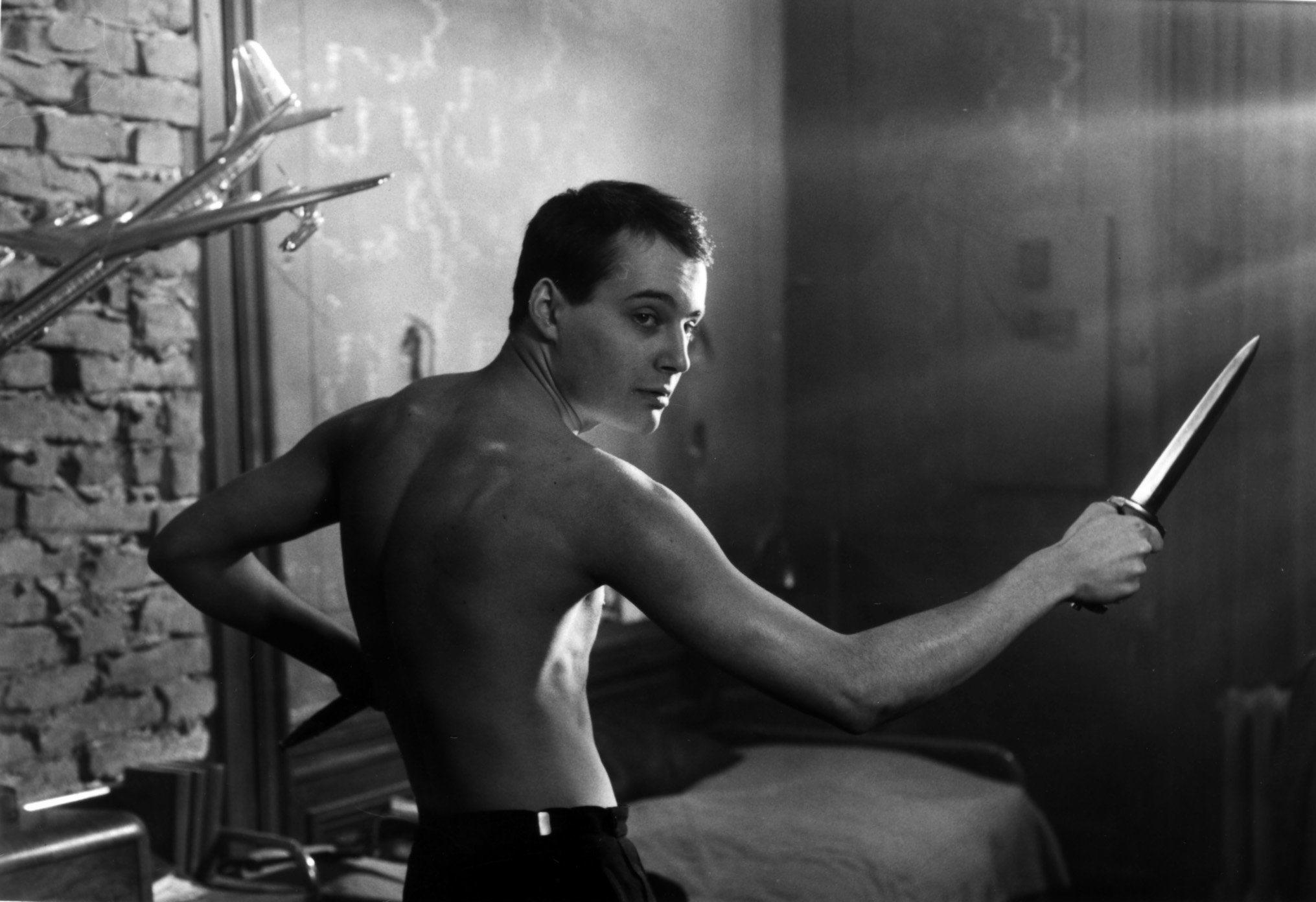
A swastika Way of the Cross in Vienna in 1959: Franz Novotny’s adaptation of Elfriede Jelinek’s novel Die Ausgesperrten opens with a prologue under the sign of Nazi cinema. Otto Witkowski (Rudolf Wessely) has returned from the war with a wooden leg and immense rage. He shouts and beats his wife; in better moments he uses her as a photographic model for his S&M stagings.
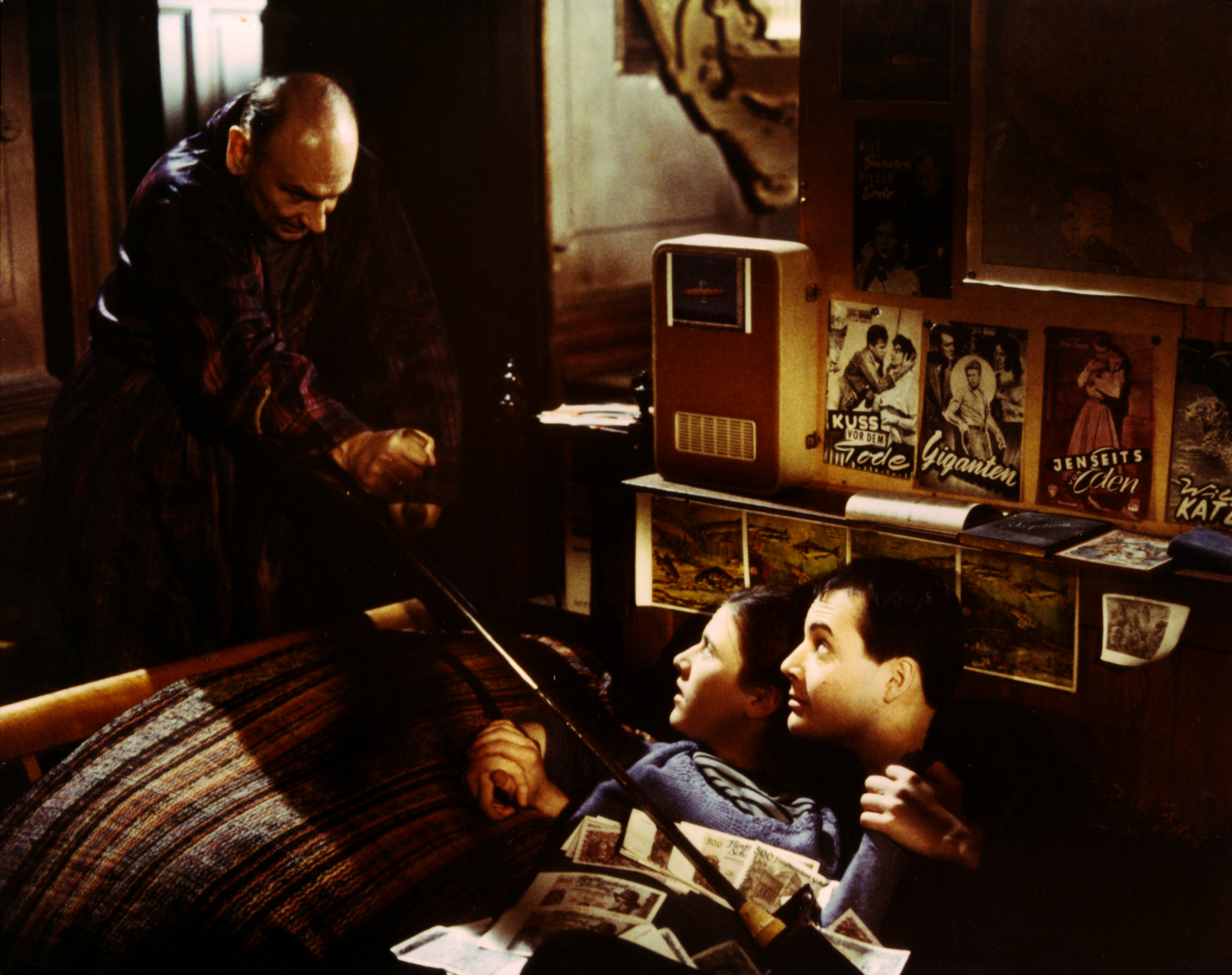
The rage has been passed on to the children. Rainer Maria “Burli” Witkowski (Paulus Manker) is a nihilist in a black sweater. He writes poetry and excerpts philosophers, but he is interested only in passages suggesting that everything is permitted. His sister Anna plays the piano and frequently vomits in the toilet. Brother and sister were conceived during the war, and to this day they remain united by a shared fate.
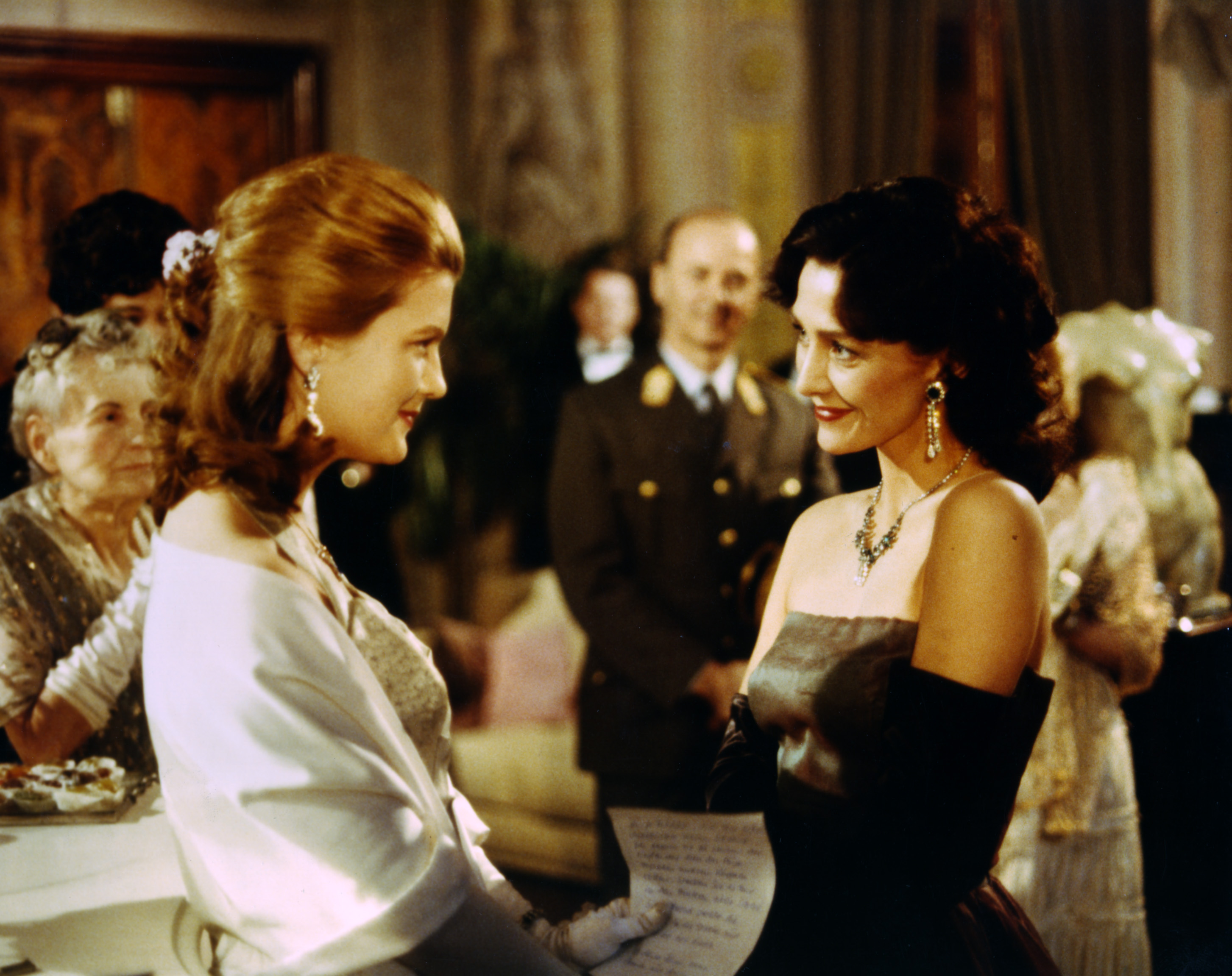
Together with Sophie Pachhofen, the daughter of an upper-class family, and Hans Sepp, who is studying for his secondary-school diploma in evening classes, they are the Ausgesperrten, the first Austrian post-war generation searching for a form in which to express its rage. Sophie, who always wears a white fur coat, borrows her anger from her friends. For her, the petty assaults and attacks with which Rainer seeks to elevate himself above the “average people” are merely a diversion. Sophie not only takes command sexually, but also—true to her origins among the owners of the means of production—harbours grander plans of destruction, which she is nevertheless always prepared to abandon should something better occur to her.
“In reality, through all their experiments with themselves and their tests of courage, the Ausgesperrten merely act out their own exclusion.”
Elfriede Jelinek, who collaborated on the screenplay, appears in Die Ausgesperrten herself as a teacher. She attempts to reconcile Adalbert Stifter and the year 1848—already then, death was the only form of protest. Sexuality appears only briefly as a possible escape.
In reality, through all their experiments with themselves and their tests of courage, the Ausgesperrten merely act out their own exclusion—the filthy Wien River is their realm of freedom, where they can set a stolen moped on fire and drown Sophie’s cat, to which Rainer is, in truth, deeply attached.
Nor do the Ausgesperrten bring order to the cultural confusion of 1959, when jazz was still regarded as “Negro music” and Vivaldi was played at school celebrations. They are Actionists without a plan. They arrive just a little too early to join the first modern movements of the Second Republic at the decisive moment. In the end, the scholarship for a year in America once again goes to Sophie rather than Anna, who had expected everything from this departure into the unknown.
Die Ausgesperrten is a key work of New Austrian Cinema. Franz Novotny matches Jelinek’s linguistic estrangement with a staging that clearly tends towards the absurd. National Socialism is finally laid to rest—belatedly.
*Regular contributor to Der Standard, lives as a freelance journalist in Berlin.
In a sense, it’s a Heimatfilm. The problem with Austria is that, in all its regions, it looks far too Heimat-like as a film motif.
FRIEDRICH GEYRHOFER
Rebels against Confinement
Running Amok and Absurdity: Die Ausgesperrten
Vienna, at the beginning of the 1980s. After an endless winter sleep, the city has awakened to new life. Eccentrically dressed young people shape the streetscape. Some of them have just founded their own bands and are writing songs with German lyrics.
All the wonderful things that had previously been the domain of the Americans can now also be produced in their own small country: records, fashionable clothing, and not least films. Only a short time after the Austrian Film Funding Act came into force, the first representative results began to appear. Glossy magazines devoted to the spirit of the times are filled with portraits of aspiring Austrian stars and industry newcomers. At the very top of the list is Franz Novotny’s latest oeuvre: Die Ausgesperrten, based on a novel by Elfriede Jelinek. A young man rebels against the stifling petit-bourgeois narrowness of the 1950s as the author of morbid poems and the leader of a street gang—and runs amok when he recognises the futility of his actions.
Franz Novotny took great care to avoid painting attractive but dishonest “Viennese graffiti” in candy colours for the youthful audience of Teds, Mods and Poppers. His vision of the city is not dominated by the insignia and icons of fashionable 1950s style, but by the mustiness of the post-war years. In doing so, the director sabotaged false expectations in a bold and honourable manner: “My first film Exit was a great popular success, Die Ausgesperrten was a critical success, which did me little good because I unfortunately made it far too elitist. With my third work Coconuts, I tried to create what I intended as a speculative synthesis of the two films. In the meantime I know that one should never think speculatively, but always simply make the film one wants to make.”
(Reinhard Jud, in Der Standard, 1989)
“For both the novel and the film Die Ausgesperrten, it is true that the plain truth is articulated in the subtext. Elfriede Jelinek and Franz Novotny make preferential use of the vocabulary of irony.
What interests them about the tragedy presented, which is based on a true incident from the late 1950s, is not the individual case or the specific fate, but the typology, because it offers insight into the state of mind of contemporary society. Elfriede Jelinek in Blauer Streusand: ‘Anyone who believes they can still act as an individual is labouring under a fundamental misconception, I think. Nowadays one can really only present characters as zombies, or as representatives of an ideology, or as character types, or as bearers of meaning, or whatever one wants to call them, but no longer as rounded human beings with joys and sorrows and all that nonsense—that’s over, once and for all.’”
(Yvonne Spielmann in Der neue österreichische Film, published by Gottfried Schlemmer, Wespennest Verlag, 1996.)


