


Far from being Lipizzans
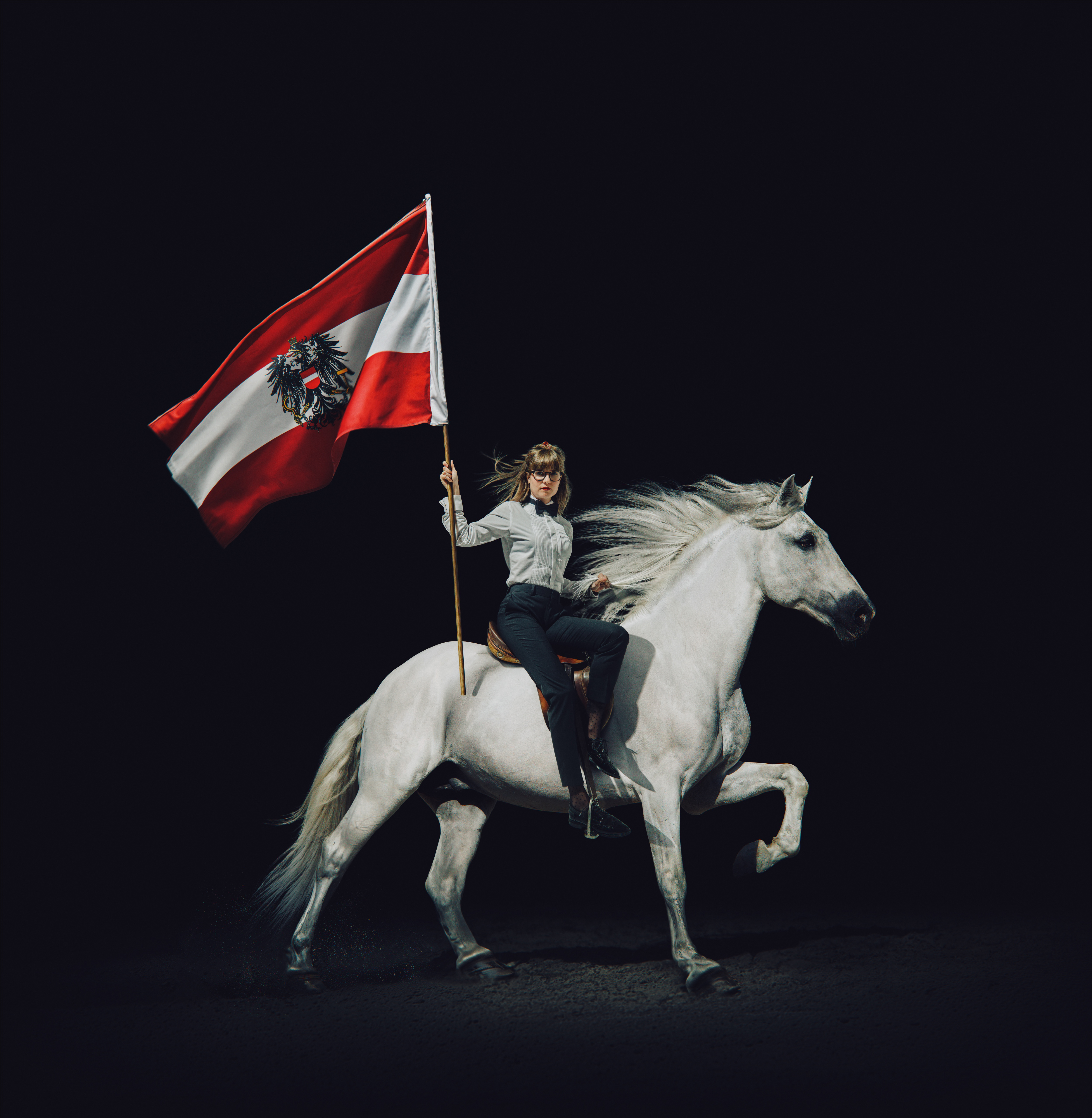
Naturalisation seems to be a real “struggle” in Austria. This is also true for director Olga Kosanović, who, despite being born and raised in Austria, has so far been unable to obtain citizenship. Commenting on her case in a daily newspaper, someone writes: “If a cat gives birth at the Spanish Riding School, that doesn’t make its kittens Lipizzaners.” Drawing boundaries creates a sense of identity and cohesion, a strong sense of “us”. What concept of identity underlies legislation that divides society into “us and the others”? The film about belonging – and the director’s second attempt to finally become fully part of it – was awarded the Austrian Film Award in 2026.
“A thorough and multifaceted examination of Austria’s naturalisation system.”
epd film
Austrian Film Award 2026 for Best Documentary.
Emil Brix, Judith Kohlenberger, Gerd Valchars, Robert Menasse, Elena Wolff, Daniel Wagner, Jeff Ricketts, Gabriele Roller, Vladimir Vulevic u.v.m
ABOUT THE FILM

Harald Wawrzyniak_Meine Links_02.jpg)
Bonus Track: Regisseurin Olga Kosanović über "Noch lange keine Lipizzaner"
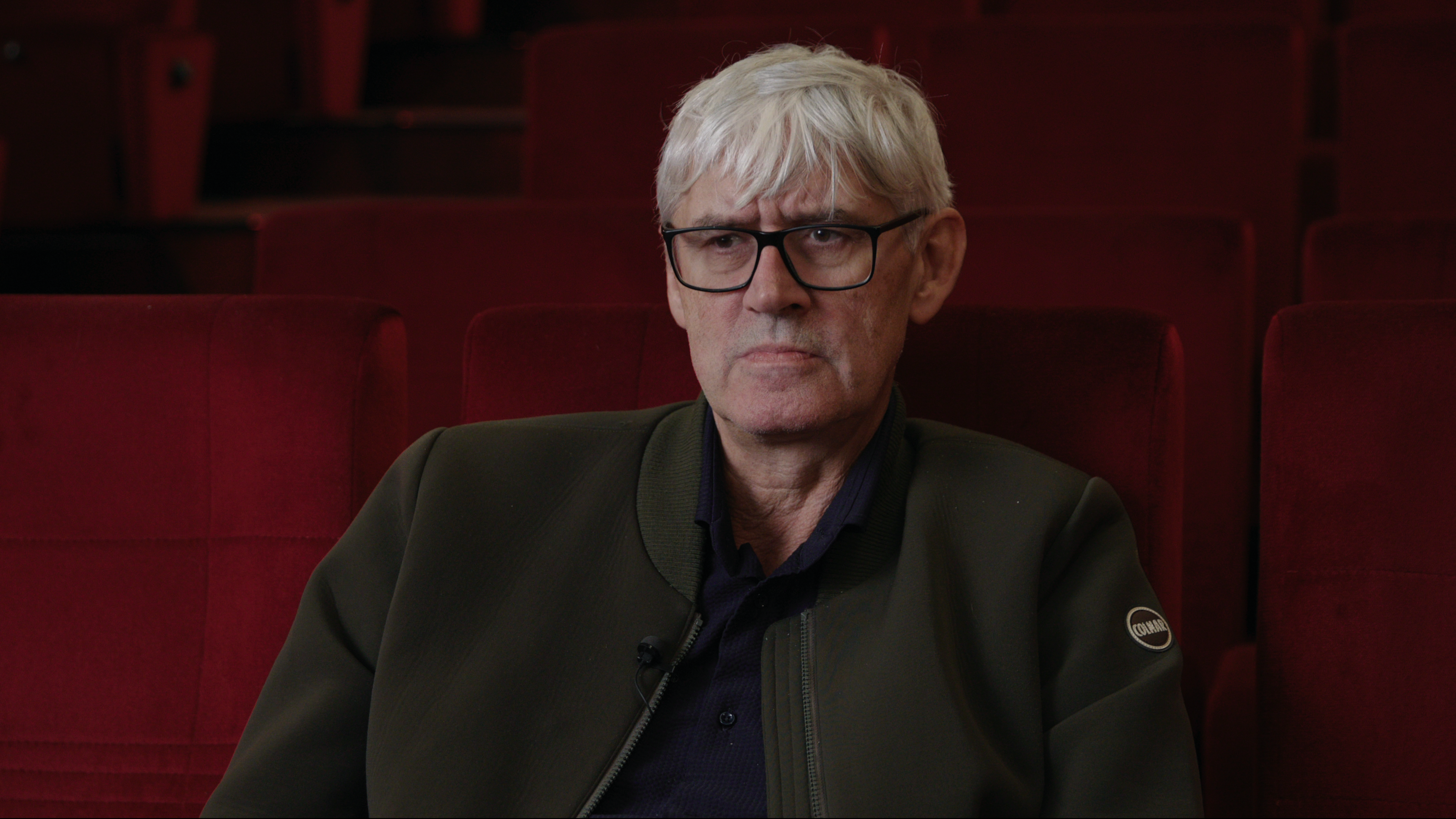
Kurator Claus Philipp über "Noch lange keine Lipizzaner"


Who Counts as “Us” in Austria?
On Olga Kosanović’s Citizenship Documentary Noch lange keine Lipizzaner
Bianca Jasmina Rauch*
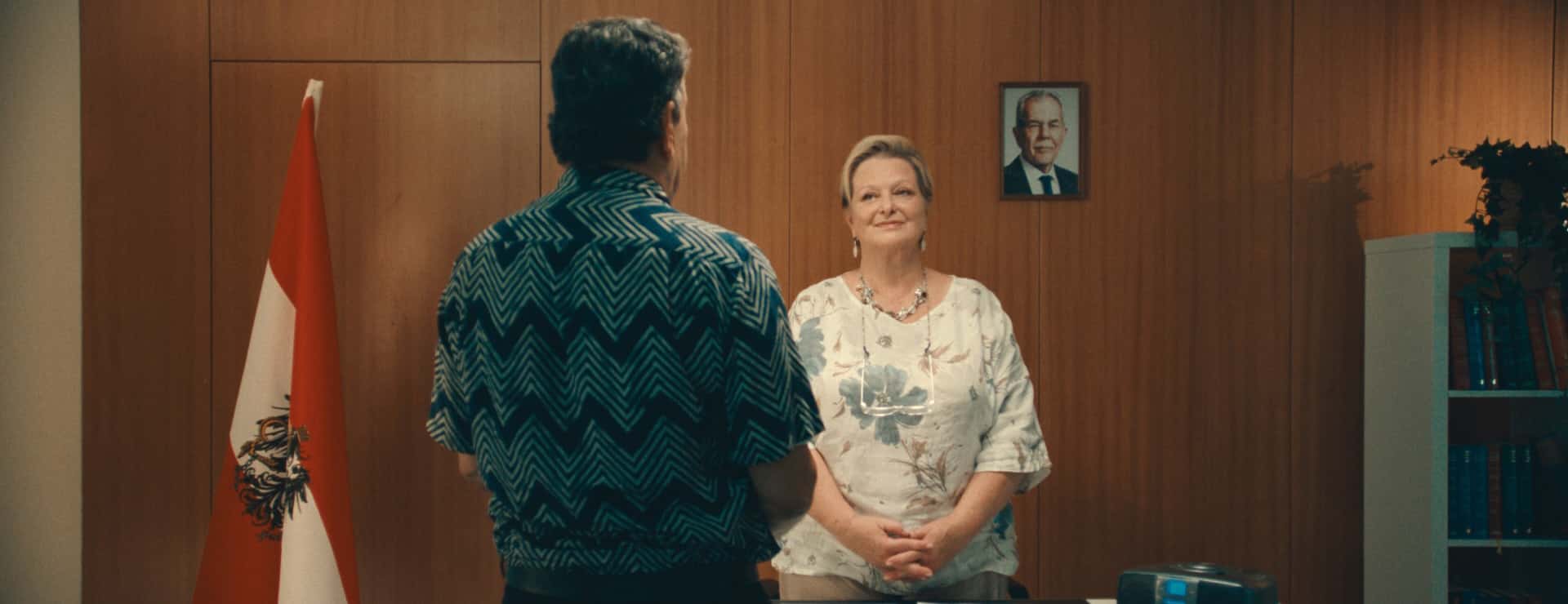
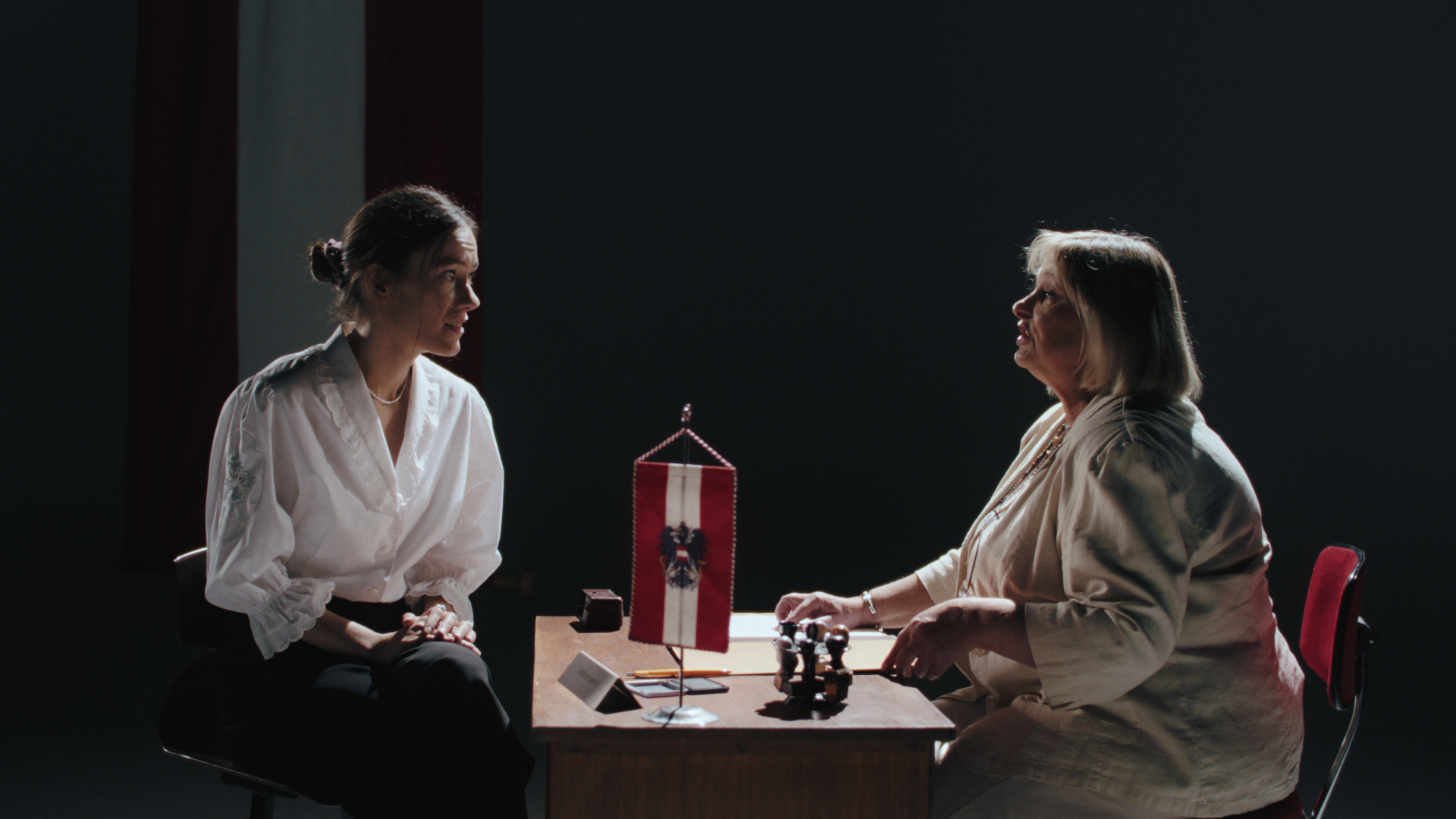
What requirements do I have to fulfil in order to be granted Austrian citizenship and swear my oath to this country to the accompaniment of the national anthem? Director Olga Kosanović had already spent a great deal of her life dealing with authorities when she decided to make Noch lange keine Lipizzaner. Born in Austria herself and raised by parents who migrated from Serbia, she takes us on an informative, critical, personal and entertaining ride. In doing so, she not only exposes requirements that sometimes seem absurd, but also questions notions of cultural identity, belonging and national identity.
Kosanović’s voice-over accompanies and informs her audience from the very beginning: her own application was rejected. It was not an administrative penalty that caused it to fail, but the total amount of time she had spent abroad since the age of ten. 58 days too many, and the count starts again from zero – back to the beginning, like in a board game.
After appearing on an ORF discussion programme about citizenship, she combs through the comments section. “If a cat gives birth at the Spanish Riding School, that still doesn’t make the kittens Lipizzaners,” writes one user from their virtual high horse. Reason enough for the filmmaker to explore the subject in greater depth and dissect the statement that would later give the film its title. She visits the Spanish Riding School and traces the horses’ history of origin, turning them into a symbol of the film. Lipizzaners, coffee houses, Gemütlichkeit, mountains, the New Year’s Concert – are these “cultural assets” what define Austrian identity? Who exactly are “we”? What causes the divisions within a society that lives and pays taxes in the same country? Who has access to state privileges and who does not?
Kosanović interviews numerous people, re-enacts scenes, draws on archival material and has Alexander Gratzer’s animated characters comment on what they have seen. Conversations with academics such as Judith Kohlenberger and authors such as Toxische Pommes and Robert Menasse address homeland, the nation-state, otherness and voting rights. A board game whose objective is citizenship provides a common thread throughout the film. Each move brings an action or quiz card and with it a new aspect of this complex subject.
Noch lange keine Lipizzaner is one of those rare films that everyone should see – especially those who are unaware of their privilege. As an essential component of democratic structures, citizenship is not only crucial to voting rights, but also to our sense of belonging and exclusion.
* is a film scholar, critic and curator from Vienna.
A thorough and multifaceted examination of Austria’s naturalisation system.
epd film
“Then I’ll Just Forget About It and Remain Serbian”
Director Olga Kosanović on her autobiographically inspired documentary Noch lange keine Lipizzaner
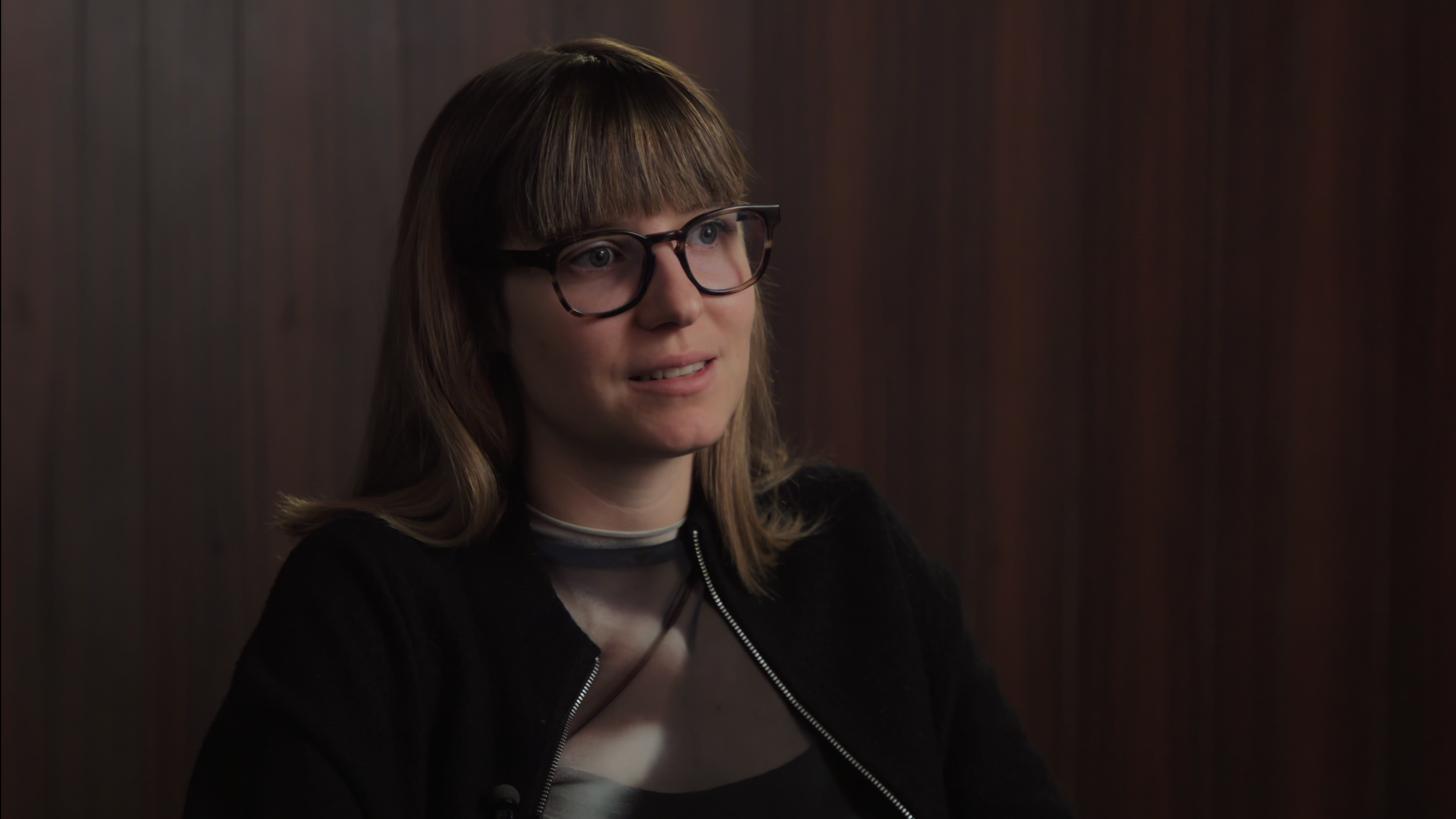
ABOUT THE PERSON: Olga Kosanović, born in Austria in 1995, is a Vienna-based director, screenwriter and lecturer. Her short and feature-length films have received numerous awards, including the Austrian Film Award 2026 for Noch lange keine Lipizzaner.

©Harald Wawrzyniak
Olga Kosanović thought becoming an Austrian citizen would be a brief formality. After all, the 30-year-old was born in Austria, grew up in Vienna and went to school there. But her application was rejected by Vienna’s immigration authority, MA 35. The reason: the director had spent 58 days too many abroad. Mainly because of her studies in Germany, but also because of holidays in Serbia, her parents’ home country. Her experience inspired Kosanović to make her new documentary: Noch lange keine Lipizzaner examines the hurdles and obstacles on the path to an Austrian passport – in a country whose citizenship law is among the strictest in the world.
STANDARD: What does home mean to you?
Kosanović: Home is, for example, a Soda Zitron, which you only get in Austria and which is missing from the menu everywhere else. I feel that home, belonging and citizenship are often conflated. Home means something different to everyone: a place, a passport, a family.
STANDARD: Why do you want Austrian citizenship?
Kosanović: First and foremost, so that I can vote. I was born here and went to school here; I am part of this society. Then there is the question: How many rights do I have? And not just: How much do I give? And secondly, for diplomatic protection when you are abroad: generally, the assurance that Austria feels responsible for you. At the moment, it feels very one-sided.
STANDARD: Is it difficult for you to give up your Serbian citizenship?
Kosanović: Yes. That mainly has to do with a sense of injustice. I think I am entitled to have both because both reflect my identity and my family history. It is often turned into a question of loyalty. But one does not exclude the other. The debate should really be: What reflects reality? And nowadays, the reality is simply multinational, multiple identities.
STANDARD: After such a long journey, would Austrian citizenship be something you would be proud of?
Kosanović: If I ever had any sense of national pride, unfortunately that has been destroyed by now. If the application had gone through straight away back then, it would certainly have been different. But the experience was disillusioning and exhausting, especially having to go back to the beginning again after that rejection. At times I thought: Then I’ll just forget about it and remain Serbian if you don’t want me. I think that is very human. In the end, though, pragmatism prevailed. It simply makes sense for my life. (Interview: Clara Wutti, Isadora Wallnöfer, 22 September 2025)
Full interview here: Regisseurin Olga Kosanović: "Ich dachte: Dann lass' ich es halt und bleibe Serbin" - Inland - derStandard.at › Inland


