



Who's afraid of Braunau?
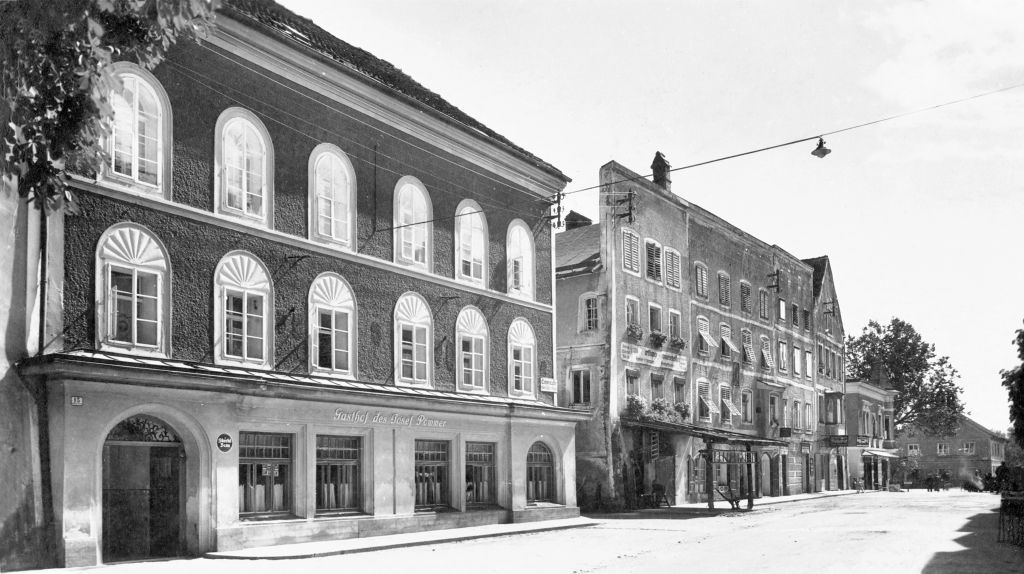
Why has no movie ever been made in Austria about Hitler's birthplace and house? Director Günter Schwaiger asked himself this question when he began work on this film in 2018. The house had recently been expropriated by the Republic of Austria. For five years, the director followed the exciting developments surrounding the subsequent use of Hitler's birthplace with a very personal perspective. From questioning the cliché of the “brown city” to surprising and outrageous discoveries, his path ultimately leads him into his own family history.
“A profound examination of a city with many ordinary houses. And another one.” COLETTE M. SCHMIDT, DER STANDARD
Günter Schwaiger, Lea Olczak, Erwin Schwaiger, Annette Pommer u.v.m.
DVD EDITION #392

ABOUT THE FILM



Braunau: Unveiling the Truth
Günter Schwaiger’s documentary “Wer hat Angst vor Braunau”
Marian Wilhelm*
We live in the shadow of the past.” Günter Schwaiger opens his documentary about the so-called Hitler House in Braunau with this motto. You can’t escape a shadow; you can only shed light on it.
That is exactly what this essayistic search for clues does—spanning several years, right on the spot in Adolf Hitler’s Upper Austrian birthplace. Among those interviewed are neighbors who, on the Führer’s birthday, once chased away a lone Nazi tourist from Berlin. People from the facility for the disabled that was long housed in the building. Local police officers, Viennese government officials, and a history teacher with her class, who bridges the gap from the past to the present.
They are all grappling with the question of the building’s future use, which has become an official political issue since the Republic of Austria expropriated the property.
After heated debates, the Ministry of the Interior decided on a police station and a “neutralization” of the site. But the historical shadow cannot be dispelled so easily. Moreover, during the course of the film’s research, a newspaper article from 1939 surfaces, referring to Hitler’s wish for an administrative use. To now fulfill this very wish, of all things, is “an irony of history,” says historian Florian Kotanko.
“A myth cannot simply be rebuilt. That is why even the question of construction debris is a sensitive one...”
A myth cannot simply be rebuilt. That is why even the question of construction debris is a sensitive one and the subject of ministerial deliberations.
Here, the film highlights the absurdity inherent in both the mystification and the repression. Furthermore, Schwaiger transforms the debate surrounding the Hitler House into a fundamental discussion about the culture of remembrance and the history of Austrian perpetrators and collaborators. Meanwhile, official Austria prefers to commemorate in a safe manner at places like the Mauthausen concentration camp in Upper Austria, where the question of guilt is not linked to the everyday life of a city.
With Wer hat Angst vor Braunau, Günter Schwaiger returns to Austria after several films on the legacy of fascism in Spain. As the film’s subtitle suggests, it is about “a house and the past within us.” He offers no easy answers, instead combining his family history with current political issues. His film, however, takes a clear stance when it comes to the task of anti-fascism. He is convinced that the people of Braunau themselves have the intuition and experience to deal with the house.
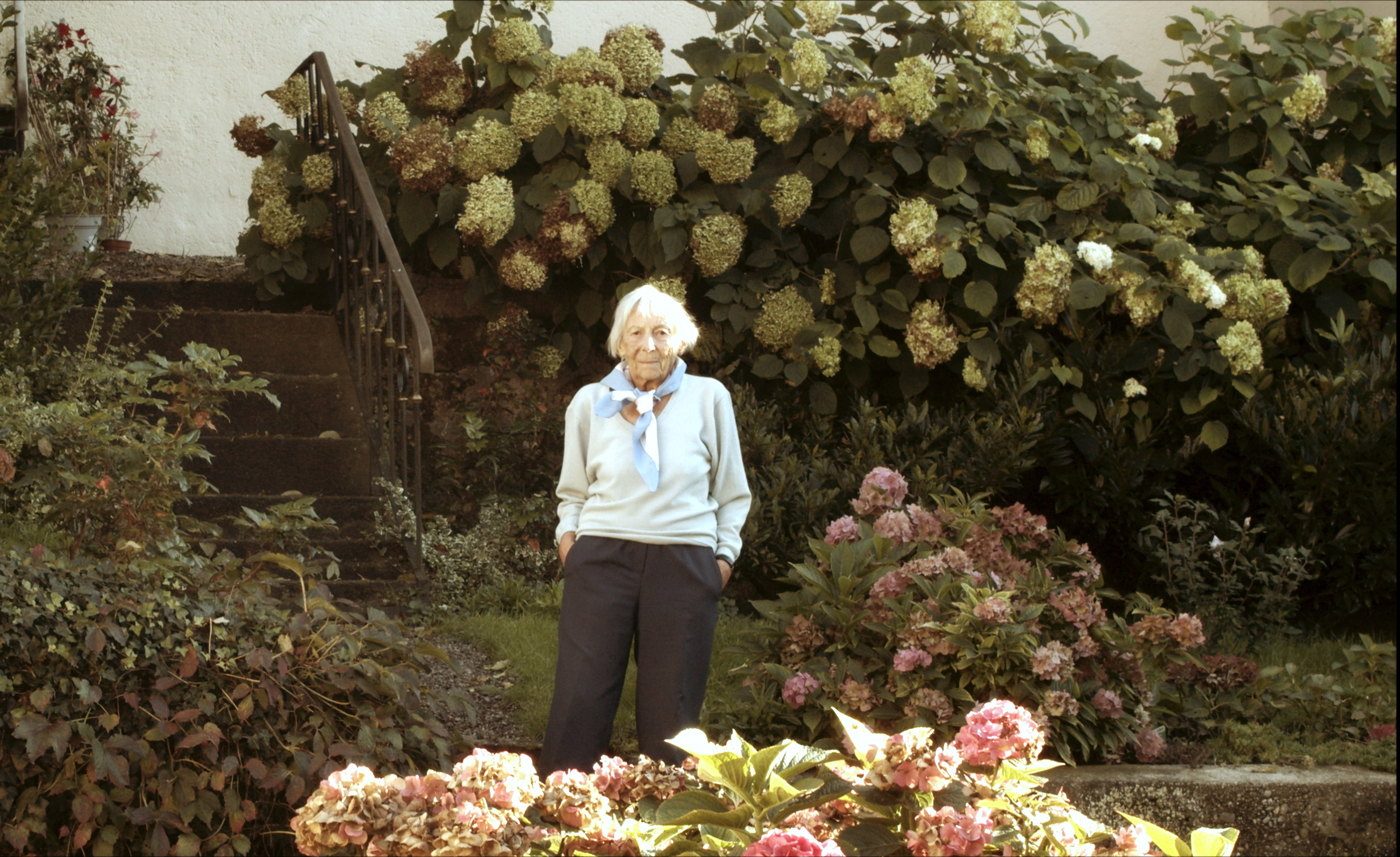
This is also the view of 100-year-old former Braunau Deputy Mayor Lea Olczak, who speaks in the film. During the Nazi era, her family hid a Jewish friend; now she warns that the brown shadow is growing darker again. If it were up to her, the house would once again be used for social and charitable purposes. Why? “Because Hitler would be against it.”
*Film critic based in Vienna and Innsbruck
A profound exploration of a city with many perfectly ordinary buildings. And one that isn’t.
COLETTE M. SCHMIDT (DER STANDARD)
This “humble” house
Günter Schwaiger portrays Hitler’s birthplace
Colette M. Schmidt
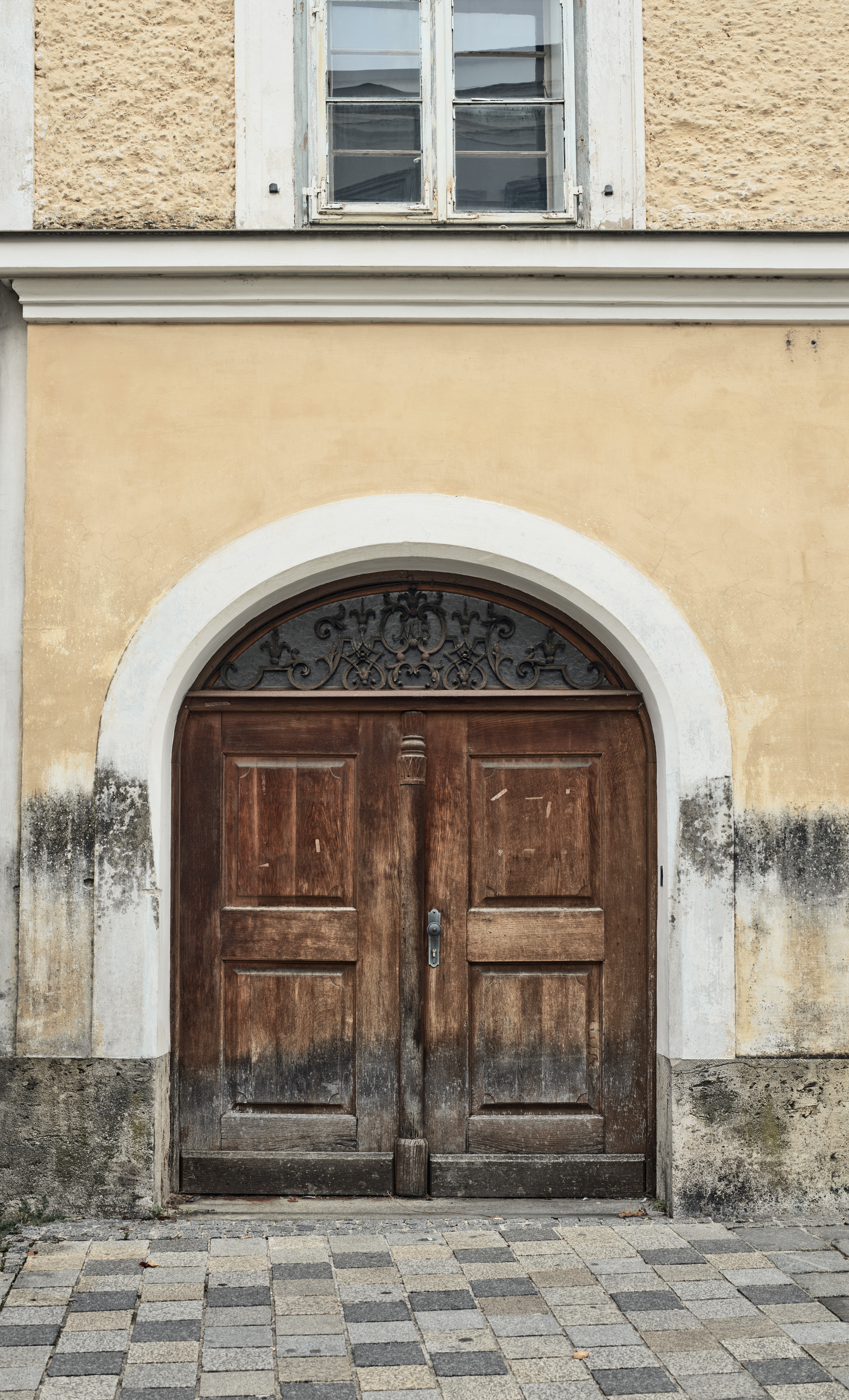
This house—it’s humble,” says a man wearing a white cap and sunglasses, leaning against a stair railing. Karl Sierek is one of the many residents of Braunau whom director Günter Schwaiger interviewed for his documentary Wer hat Angst vor Braunau. Sierek describes his hometown as a working-class town where he grew up to become an anti-fascist. Nowhere is that easier than here, he says. The house in question is the one where Adolf Hitler was born and lived for three years as a child.
Schwaiger had originally intended to make a film about the Lebenshilfe association moving into the house. But as is often the case with research, one should approach it with an open mind. After a controversial decision by the Ministry of the Interior determined that not the association, but a police station would move into the “Hitler House,” the director had to shift his focus.
Thus, Schwaiger ended up, in a sense, creating a portrait of a town that still suffers from the lingering shadow of the monstrous dictator. As a child, one thought the “Braun” in Braunau came from the political color, a Braunau resident recounts. Another says he always claimed he was from near Salzburg. “Maybe Hitler wasn’t even born here,” another hopes, pointing toward the German border, from where baby Hitler was supposedly just quickly brought here. A legend.
Questions arise: What can a city do about the fact that Hitler lived here briefly? Can a house be evil? And: How does one deal with the legacy of the perpetrators when the majority of the population is descended from them? Schwaiger seeks answers in sociological models that explain why Braunau must serve as Austria’s dumping ground for guilt. Only once, immediately after the annexation of Austria, did Hitler—as an adult—drive through coming from the German border and didn’t even glance at the house.
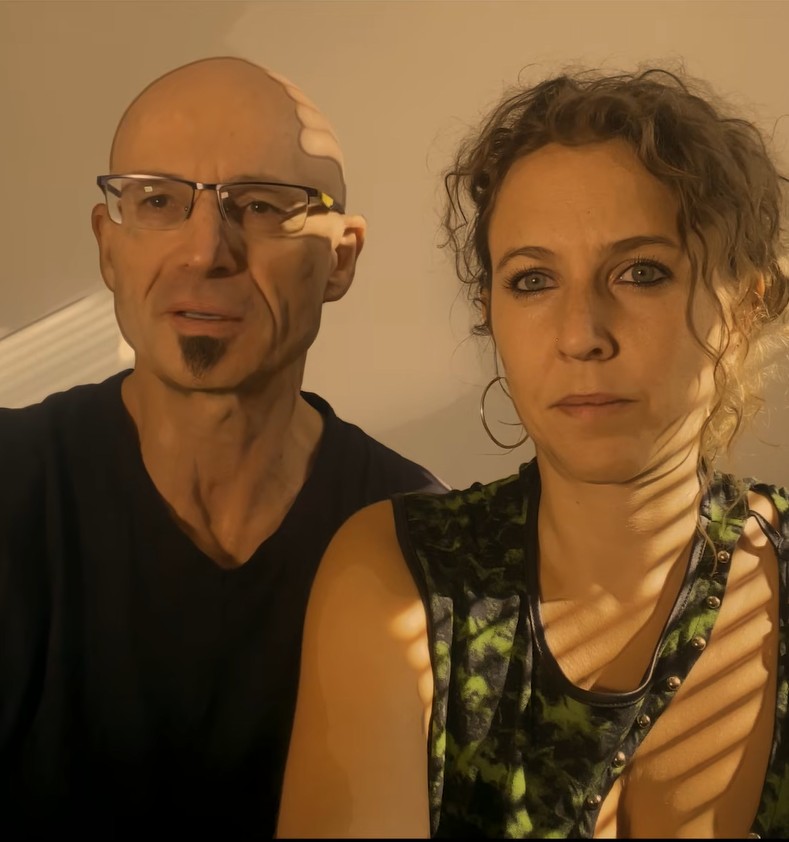
The director combines historical footage with landscape shots and calmly edited interviews in which he truly lets people speak their minds. The question of how to deal with guilt ultimately leads him to his own family history: to old interviews with his now-deceased parents, whom he once filmed as they told him—having “become guilty through no fault of their own”—about their youth under the Nazi regime.
Wer hat Angst vor Braunau is the first film about the house with a troubled past. The documentary concludes by addressing its future use, a topic that has sparked political debate for decades. “A discovery” was made during the research. This refers to a newspaper article from the Nazi era in 1939. It stated that Hitler wished for his birthplace to be converted “into offices for the district leadership.” This wish will be fulfilled by the planned move-in of the police, says Schwaiger.
Whether one shares this perspective or not: The film is a profound examination of a city that has many ordinary houses. And one that is different.


